.png "progetto senza titolo (33)")
The Kick-Off Meeting of “SAFE & PROUD” in Bilbao: discussion, training and shared work
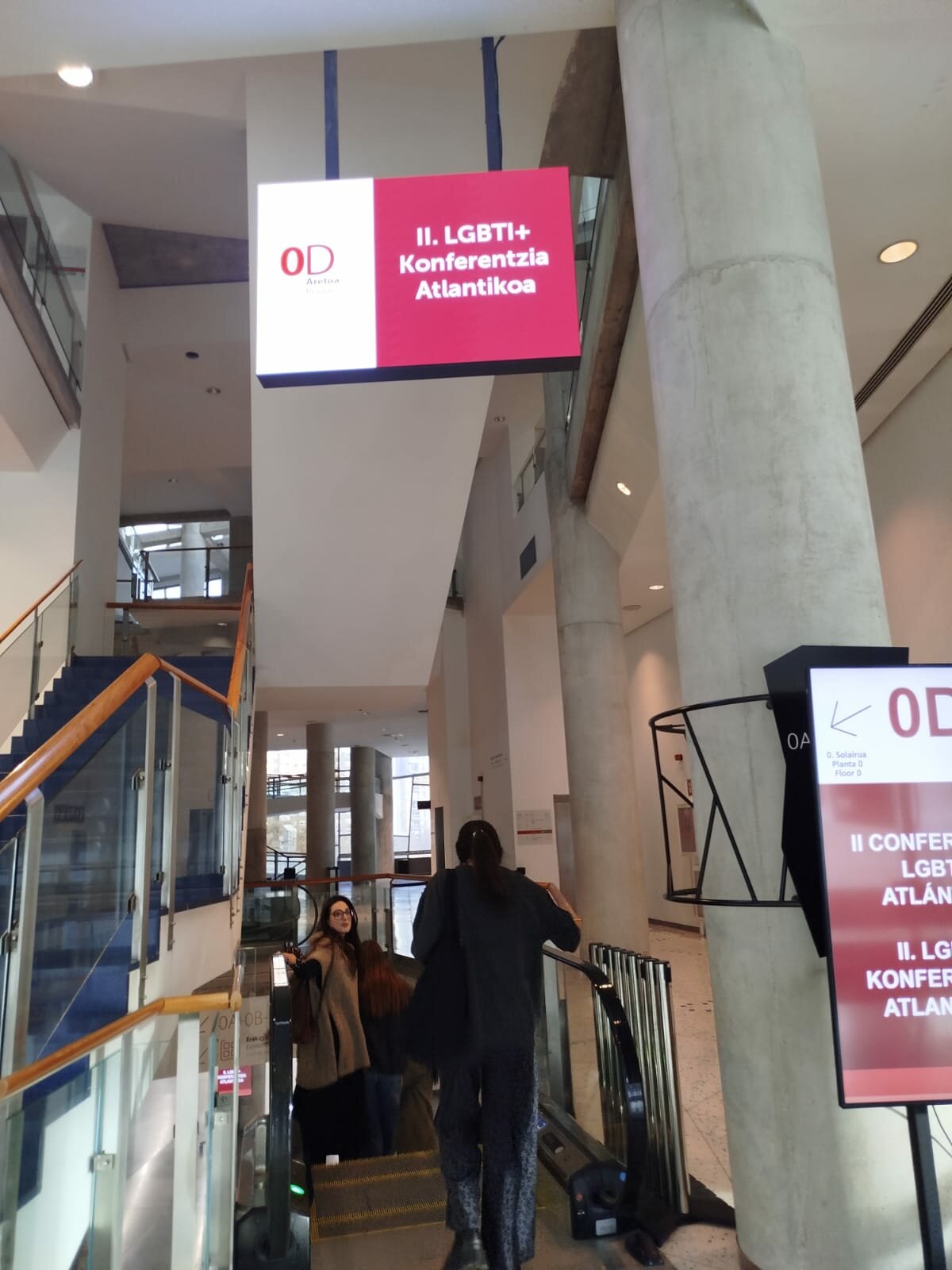
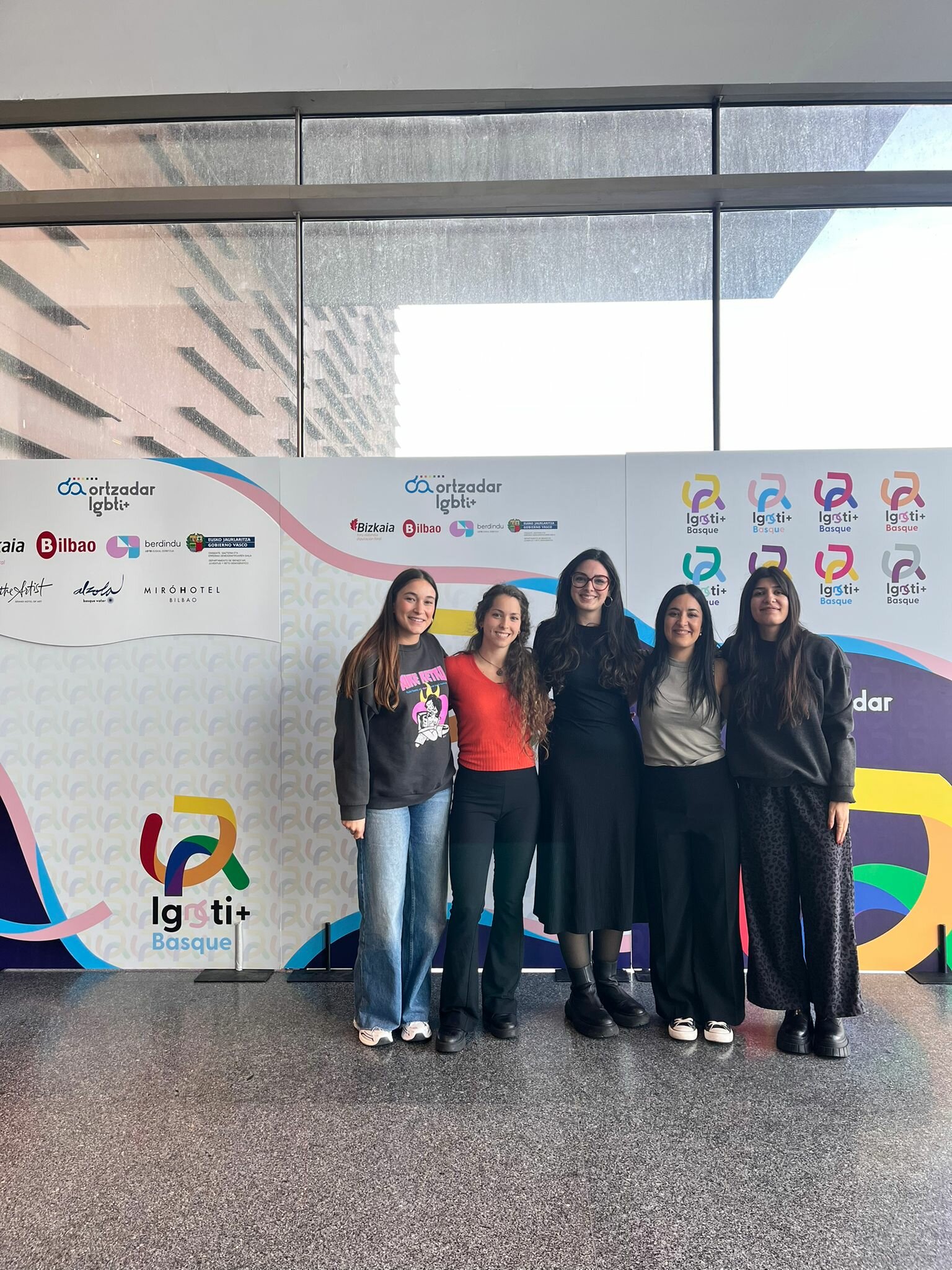
On November 12 and 13, 2025, Bilbao hosted the Kick-Off Meeting of the European project “SAFE & PROUD”, a journey aimed at strengthening safe spaces, professional skills, and the historical memory of LGBTQI+ activism. The days took place alongside the Conferencia Atlántica LGBTI+, offering the partners a context rich in stimuli, testimonies, and reflections.
The structure of the meeting was not that of a traditional gathering, but rather an immersive experience alternating participatory activities, moments of analysis, and co-creation sessions.
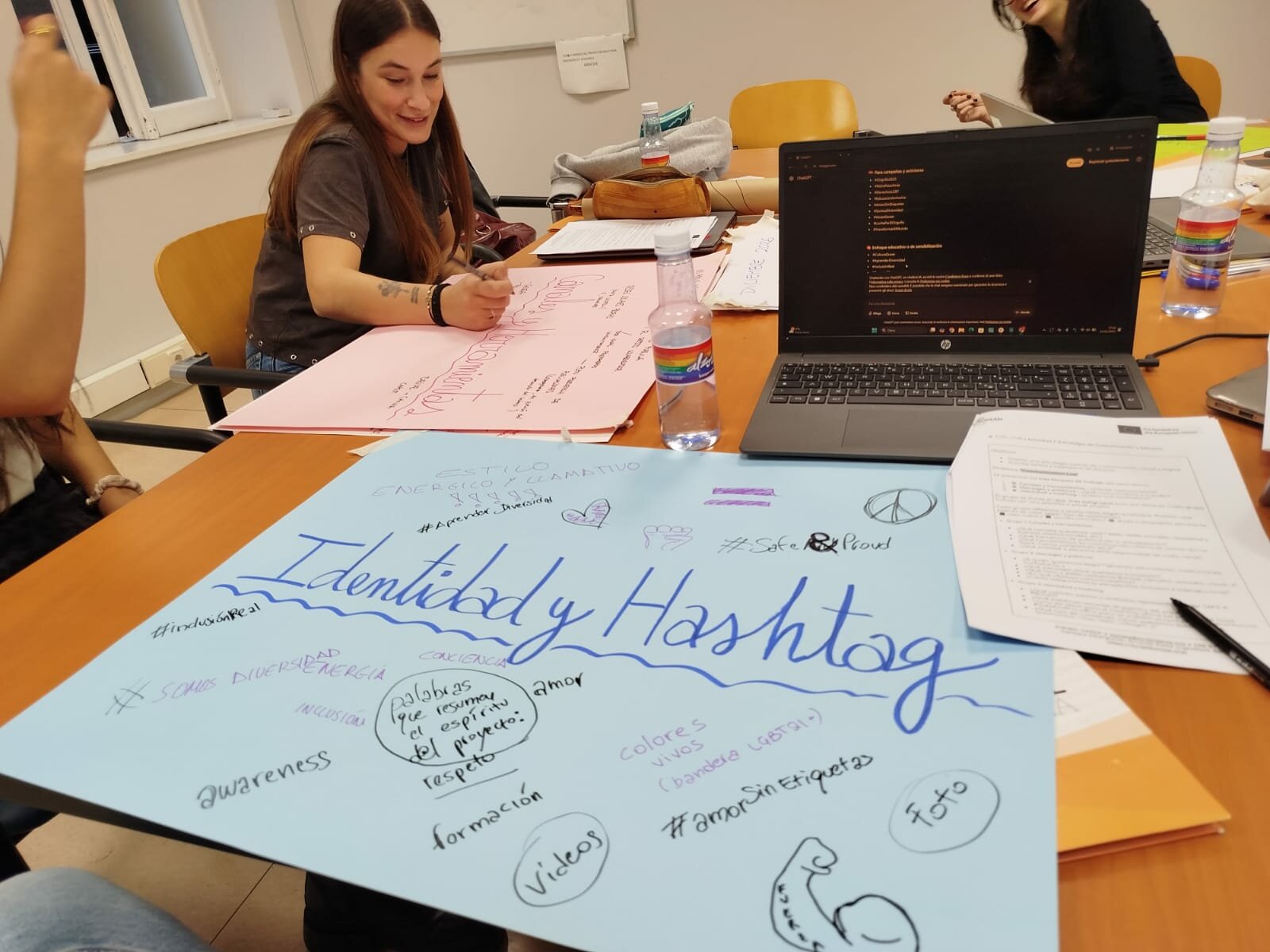
First day: participatory activity and shared analysis of contexts
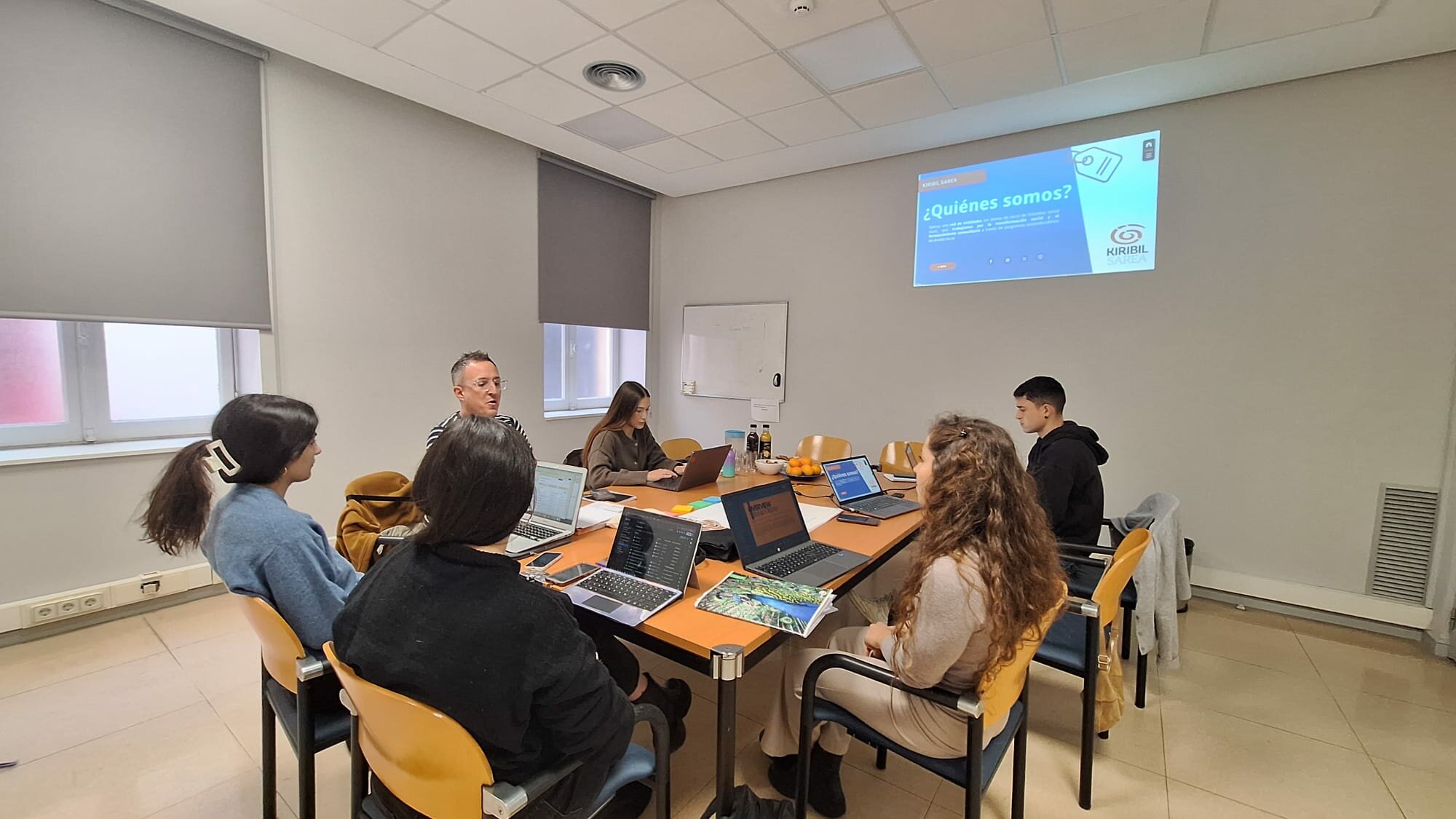
The first day took place at the Kiribil Sarea headquarters. After an initial moment of welcome and introductions, the participants took part in the methodological activity of the “project tree”, designed to highlight the fundamental elements to start from.
Through collective work, the following were identified:
- the roots, that is, the common problems and needs, such as discrimination, stereotypes, and the absence of truly safe spaces;
- the trunk, meaning the objectives shared by the partnership;
- the leaves, which represent resources, tools, and initial materials to be developed.
The activity immediately created a common language and made it possible to highlight similarities and differences between the contexts involved.
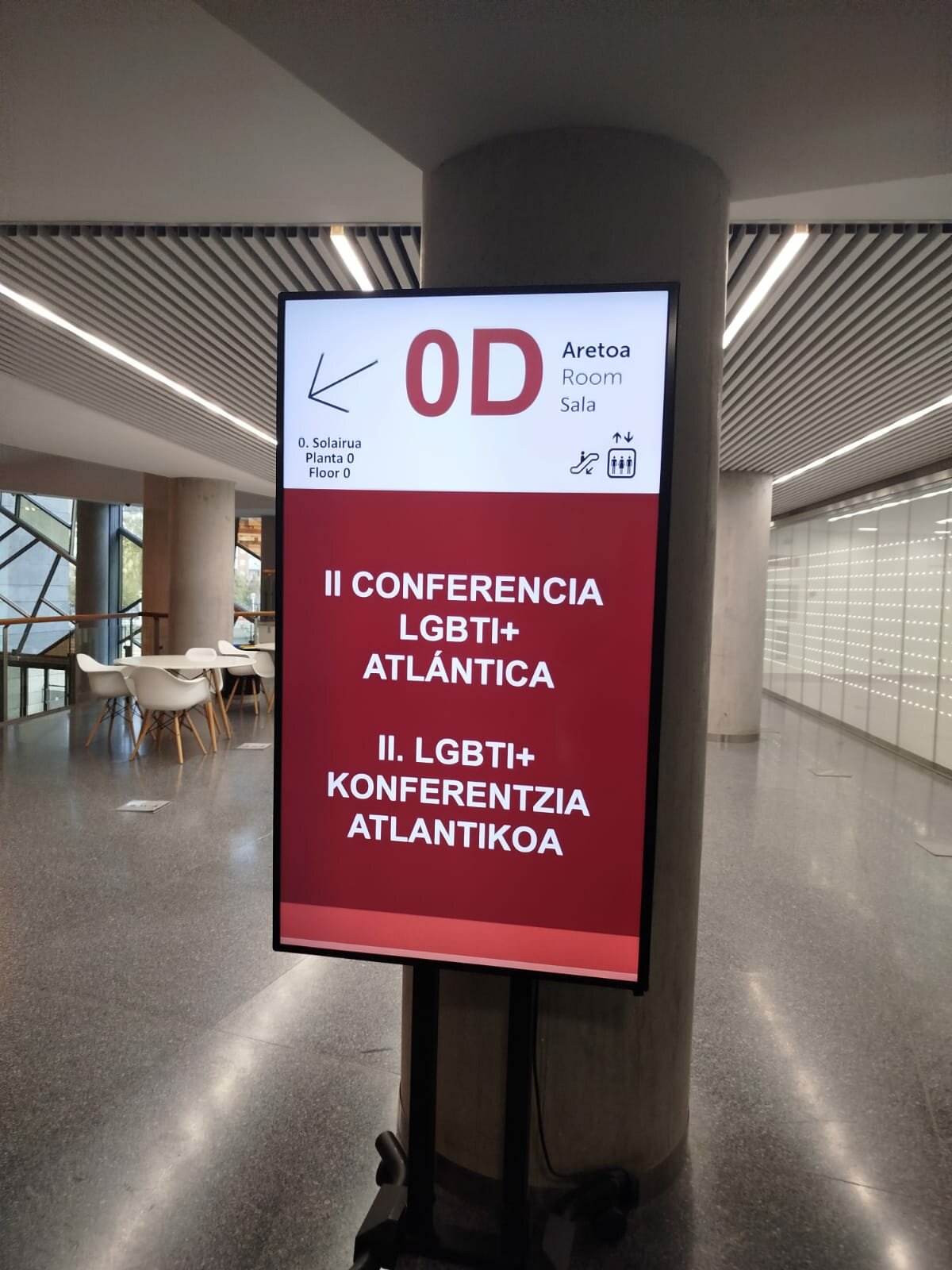
During the day, the opening of the Conferencia Atlántica LGBTI+ was also mentioned, which was taking place in parallel, creating an immediate link between the internal project discussions and the broader European context.
Analysis of the Italian and Spanish contexts
In the continuation of the work, the partners compared data, experiences, and narratives related to their own territories. The comparison concerned:
- the presence of services and support networks,
- media representations,
- the social and cultural dynamics that characterize Trieste, Bilbao, and Salamanca.
The afternoon session was dedicated to more operational aspects: logistics of future activities, documentation criteria and internal responsibilities, introduction to mobility questionnaires and the administrative tools to be used.
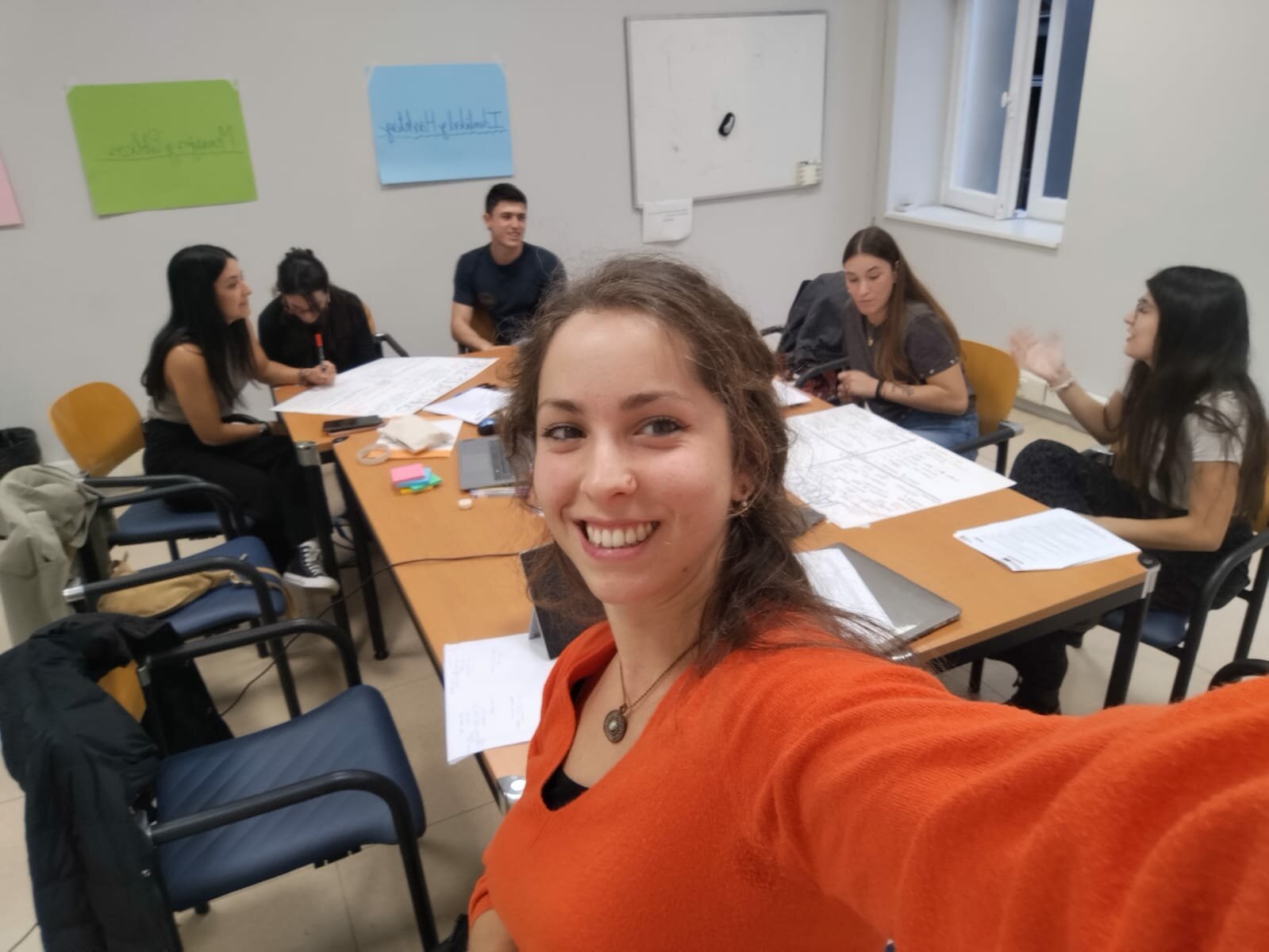
Second day: conference, co-creation and review of materials
The second day began with participation in the Atlantic LGBTI+ Conference, which at this stage featured talks on sports, gender identity, and rights in Europe. The testimonies and studies presented during the morning provided useful insights for the development of the project's training content. In particular, the contribution of Valentina Petrillo, a transgender para-athlete, was highly appreciated. She shared a direct and unfiltered account of her international sports experience and her participation in the Paris Olympics. Her testimony offered not only a personal perspective on the challenges faced by a transgender athlete in high-level competitive contexts, but also a clear reflection on the role of sport as a space for rights, self-determination, and visibility.
Working groups and development of the first contents
In the afternoon, the partners returned to the venue for a practical co-creation workshop. Two parallel groups were organized:
- one dedicated to the structure of the guide, with insights on historical memory, safe spaces, inclusive language, and conflict management;
- one dedicated to the future digital platform, with initial proposals for audiovisual modules, interactive activities, and criteria for accessible use.
A cross-review made it possible to refine ideas and materials, shaping a truly participatory work process.
The day ended with a discussion on visual identity, key messages, and methods for coordinating the project's communication.
A start oriented towards collaboration and sharing
The Kick-Off Meeting in Bilbao focused attention on concrete activities, participatory methodologies, and connections between territories. Working alongside a major public event such as the Conferencia Atlántica LGBTI+ strengthened the value of the meeting, putting the partners in direct contact with topics, experiences, and reflections capable of immediately enriching the project's perspective.
The kick-off marked the beginning of a path centered on active participation, care for contexts, and the shared construction of useful tools for professionals and communities.