.png "progetto senza titolo (33)")

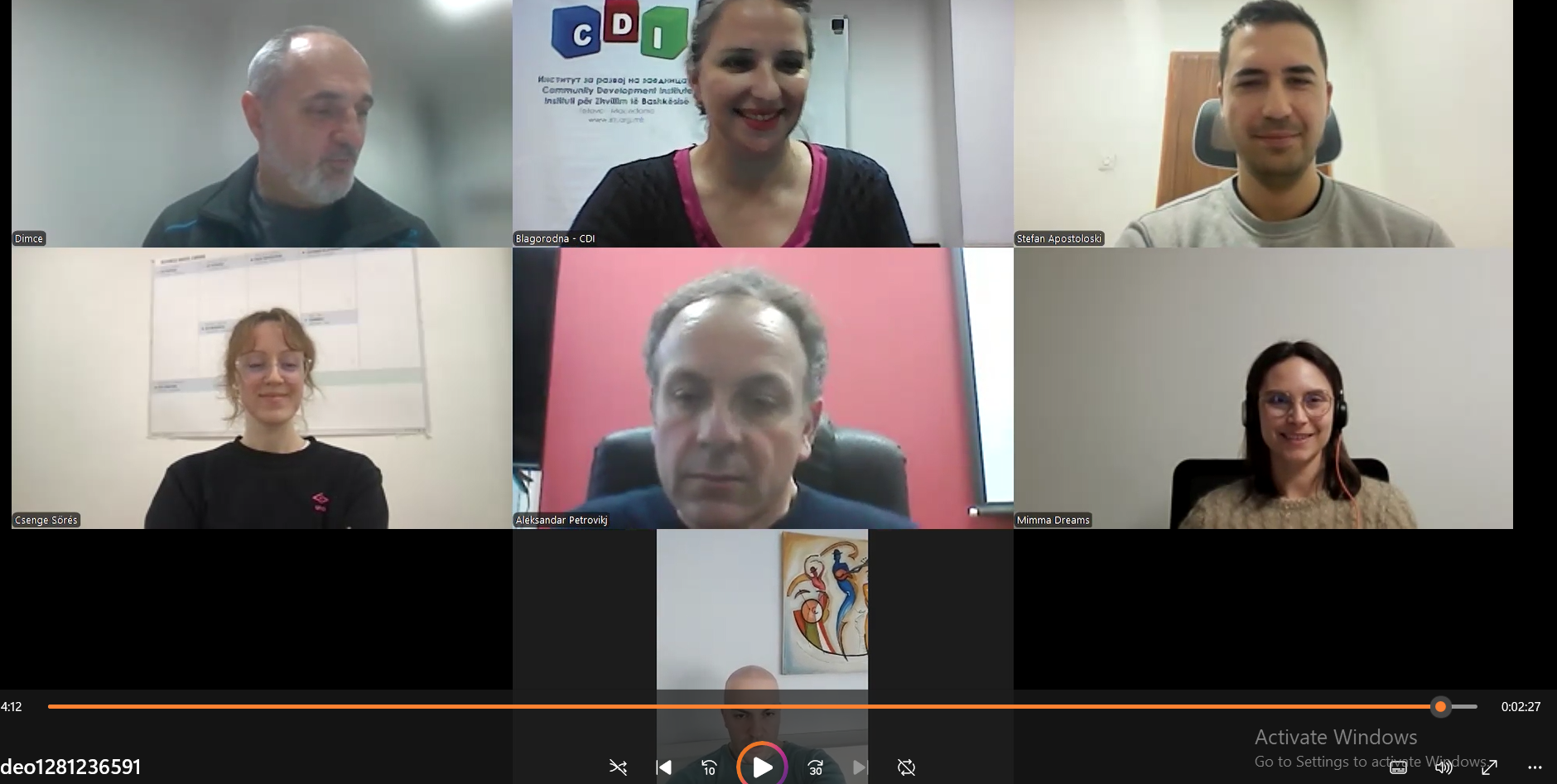
In November 2025, the Un Nuovo Sguardo project launched an online training program structured in two complementary sessions, dedicated to reflecting on masculinity, the importance of positive role models, and the dynamics of communication. Two days that, while addressing different topics, built a single narrative thread: understanding how changing the culture of masculinity also means changing the way we communicate, listen, and relate, both within and outside the communities in which we live.
The first meeting, held on November 13, guided participants through the concept of positive masculinity, an alternative model that goes beyond traditional stereotypes based on toughness, emotional silence, and dominance, instead valuing empathy, responsibility, vulnerability, and authenticity. After an initial welcome and introduction, the group delved into the core of the reflection, analyzing the fundamental traits of positive masculinity and observing how these qualities can manifest in the lives of real men, as well as in everyday figures who are often ignored or underrepresented. The discussion was enriched by talking about role models, people capable of demonstrating through their actions that a different way of being men is not only possible, but already exists and brings about change. Through personal examples, cultural references, and shared stories, participants recognized that a role model is not a perfect hero, but a person who inspires thanks to their consistency, listening skills, and the way they face challenges and relationships.
After a short break, the focus shifted to the project's podcast, a narrative channel designed to bring these stories to a wider audience. In a participatory session, participants proposed and discussed figures to include in future episodes, reflecting on who, today, can represent a masculinity capable of building healthy, respectful, and non-violent relationships. This moment turned theory into practice: not just talking about positive masculinity, but telling its story, spreading it, and making it concrete through voices, experiences, and authentic stories.
The second session, on November 20, broadened this perspective by addressing the topic of communication in its verbal and non-verbal forms. Guided by the trainer, participants were immersed in an experiential journey that showed how communicating is not just about choosing the right words, but also interpreting gestures, postures, intentions, silences, and rhythms. The session was structured as a practical workshop in which theory and action naturally intertwined.
One of the exercises invited participants to communicate a sentence exclusively through non-verbal language. The group's reactions immediately showed how easy it is to misunderstand signals that, to the sender, seem perfectly clear. A second, equally significant exercise asked them to describe a drawing without showing it, letting others try to replicate it based solely on the verbal instructions they heard. Again, the result was emblematic: no one managed to grasp the sentence or reproduce the original drawing. A powerful and immediate lesson, highlighting how no type of communication alone is sufficient. Communication truly works only when verbal and non-verbal language interact and complement each other, when what we say is consistent with how we express and stage it.
This second session added a fundamental piece to the journey begun on November 13. Talking about positive masculinity also means working on the ability to communicate in an authentic, clear, and respectful way. Without conscious dialogue, stereotypes do not change, relationships do not improve, and positive models struggle to emerge. Through exercises and collective discussion, participants experienced firsthand how easy it is to misunderstand each other and how important it is to use all available communication tools to build healthy and non-violent relationships.
The workshops on November 13 and 20 built a complete and coherent path: from defining a new image of masculinity, to choosing the role models who embody it, to a deep understanding of how communication influences every narrative and every relationship. A double appointment that not only offered knowledge, but generated awareness and concrete tools to spread, also through the project's podcast, a new way of telling the story of men, their emotions, and their role in contemporary society.