.png "progetto senza titolo (33)")

You part: gender-based violence between laws and reality
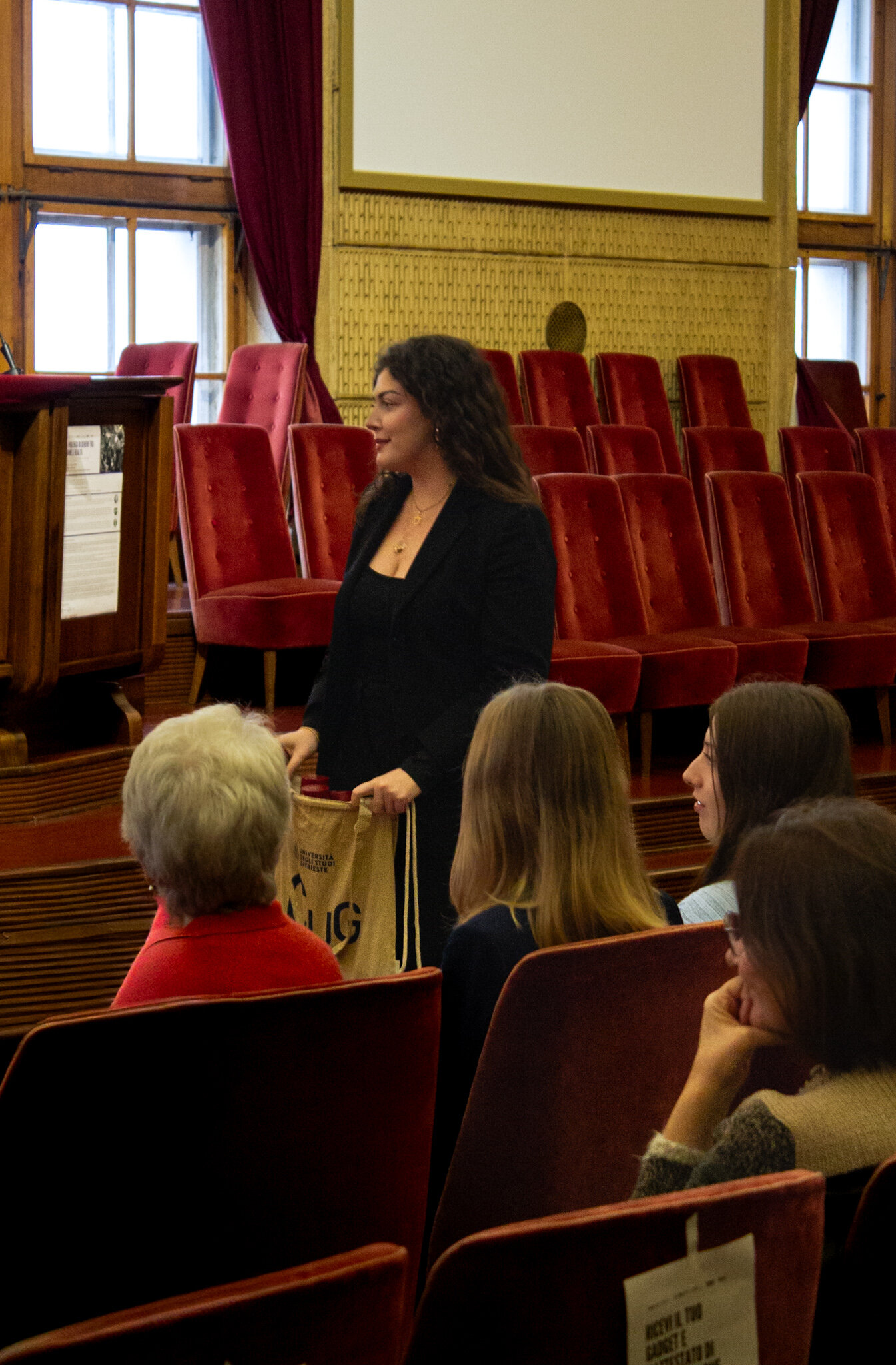
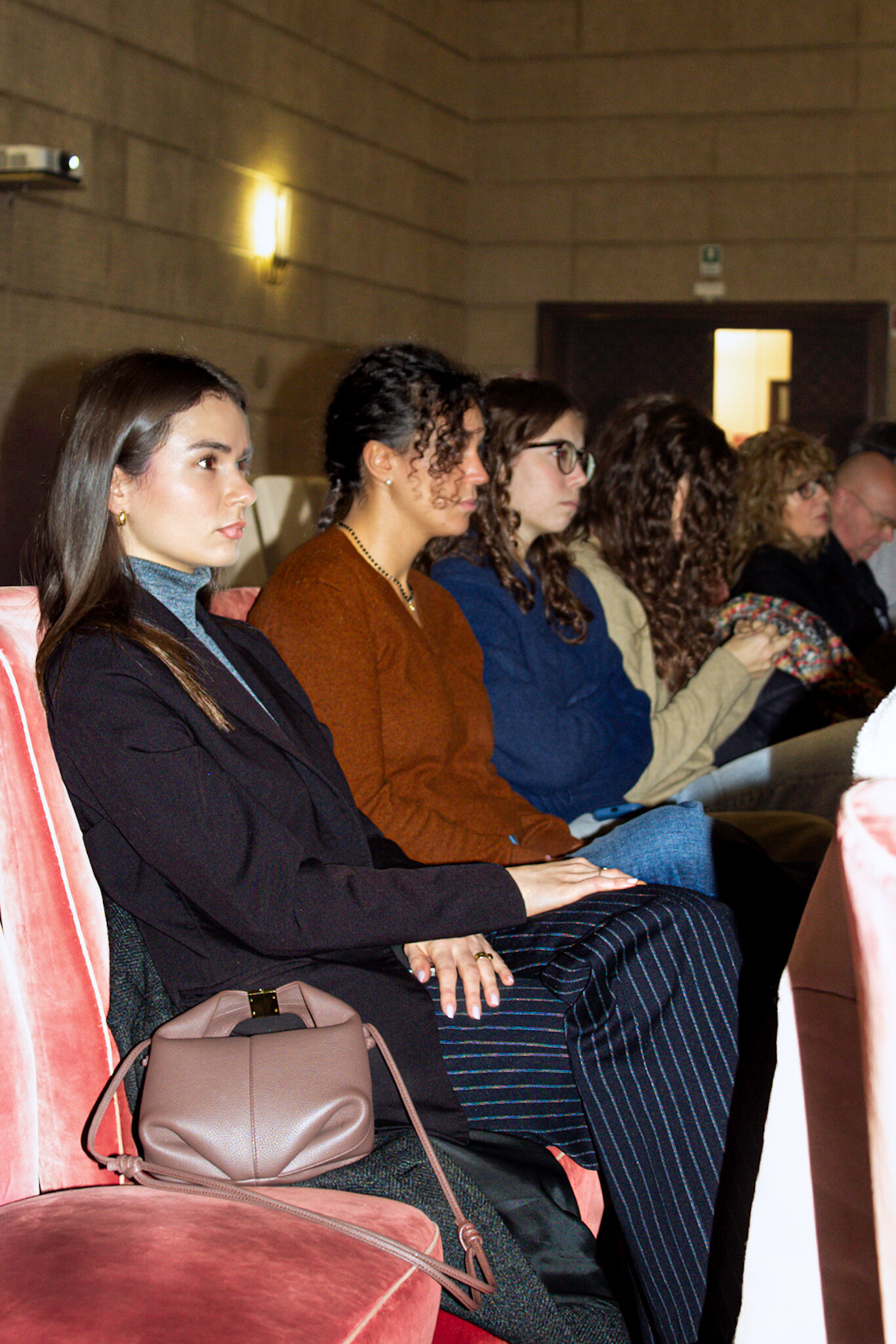
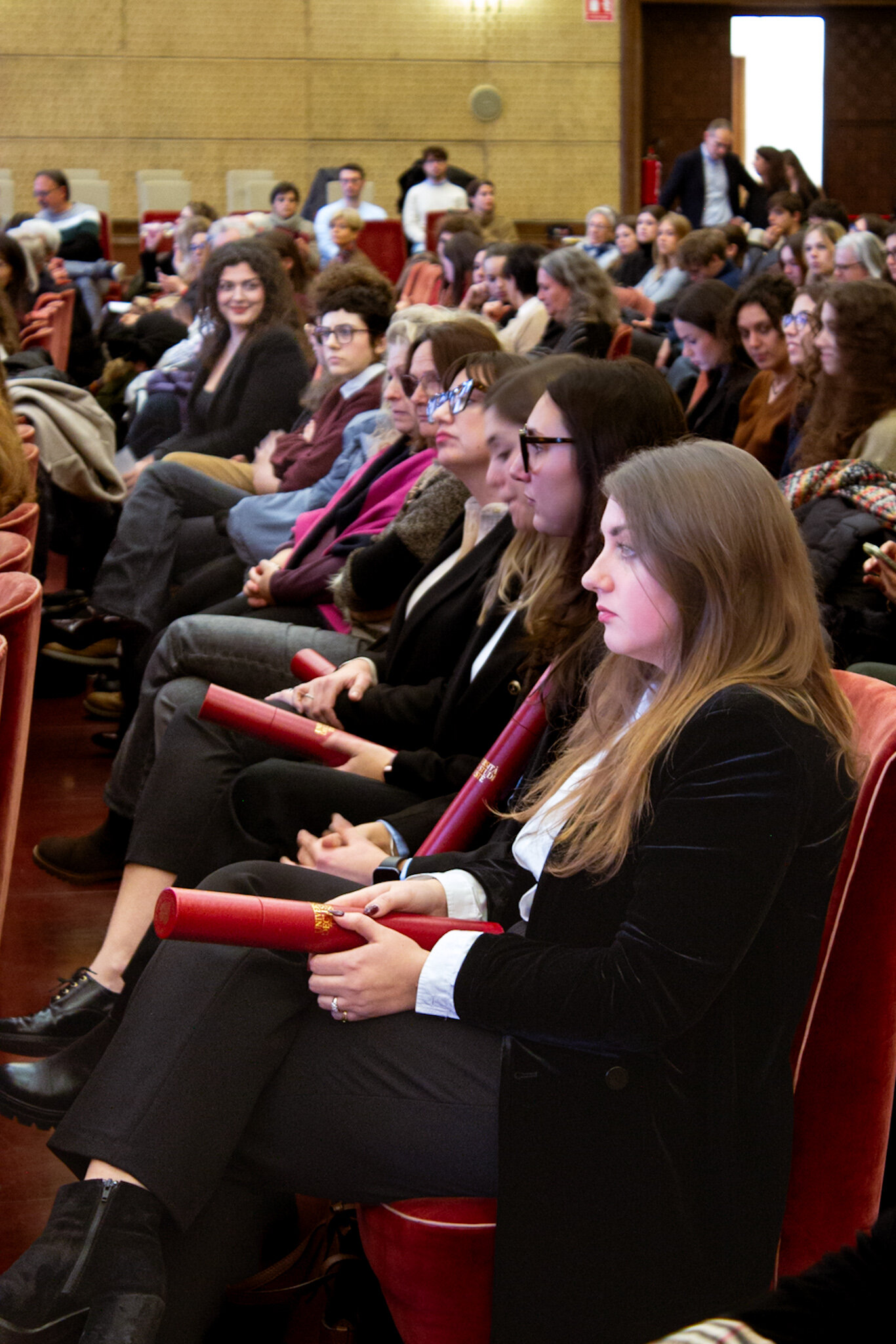
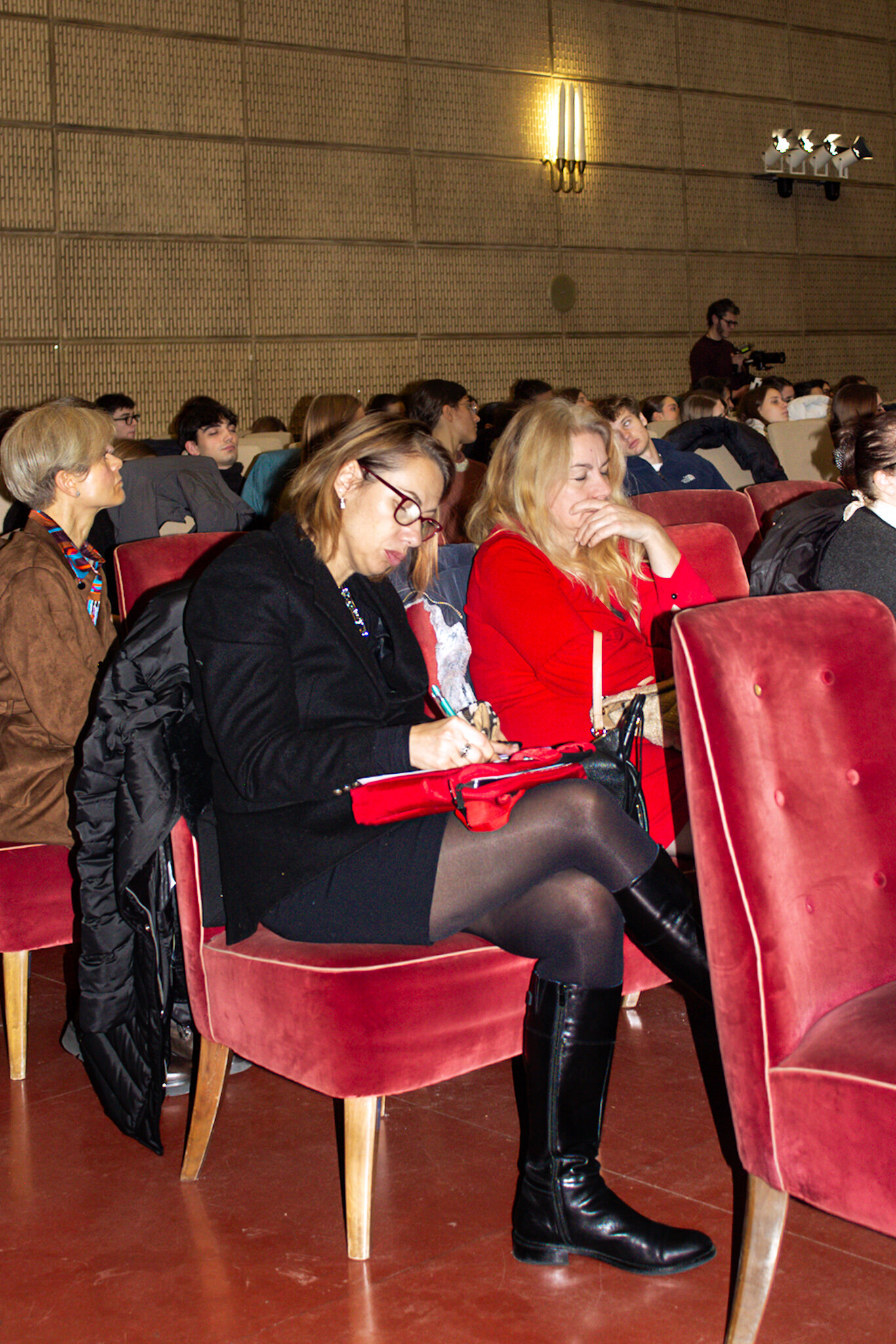
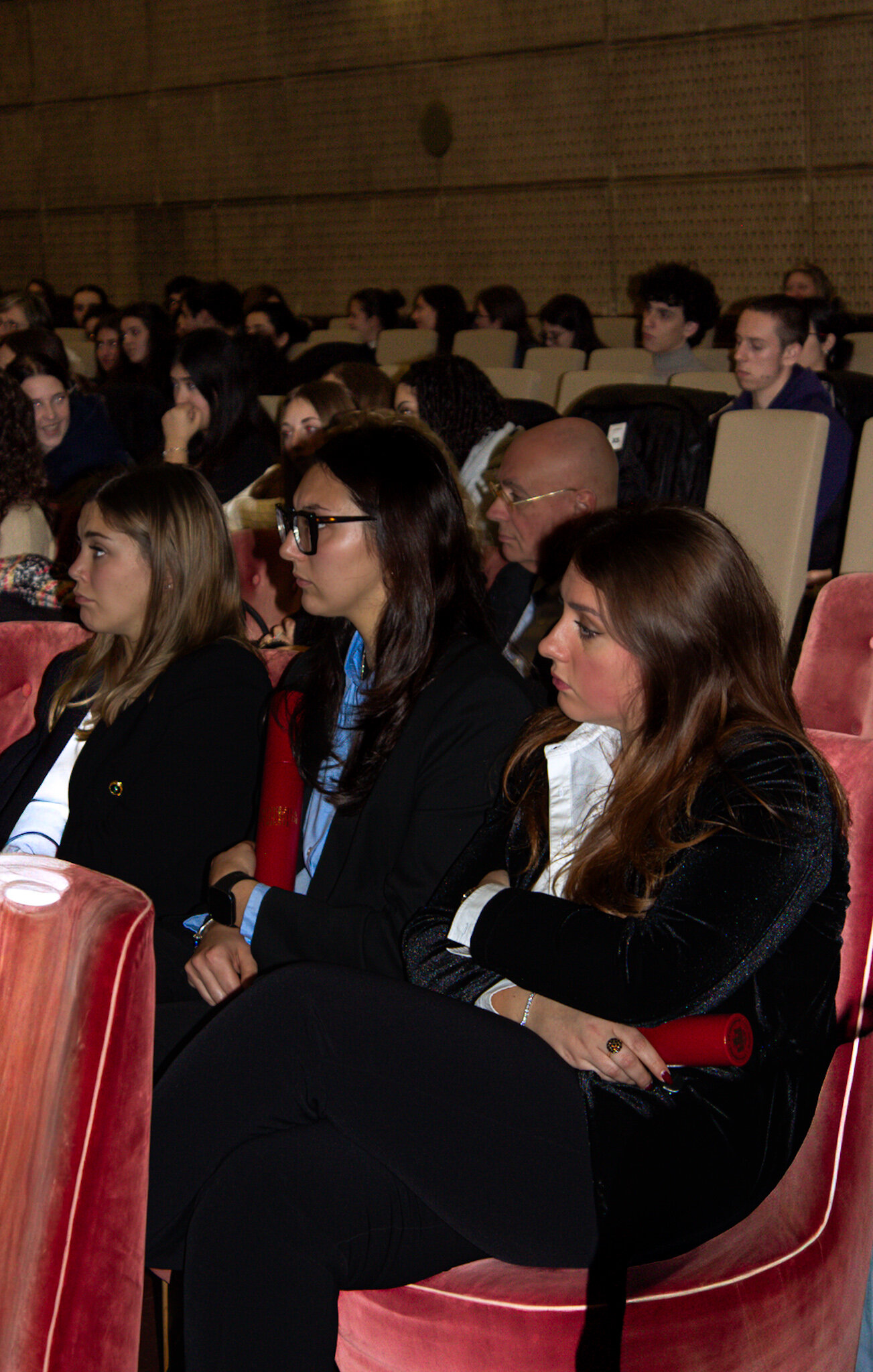
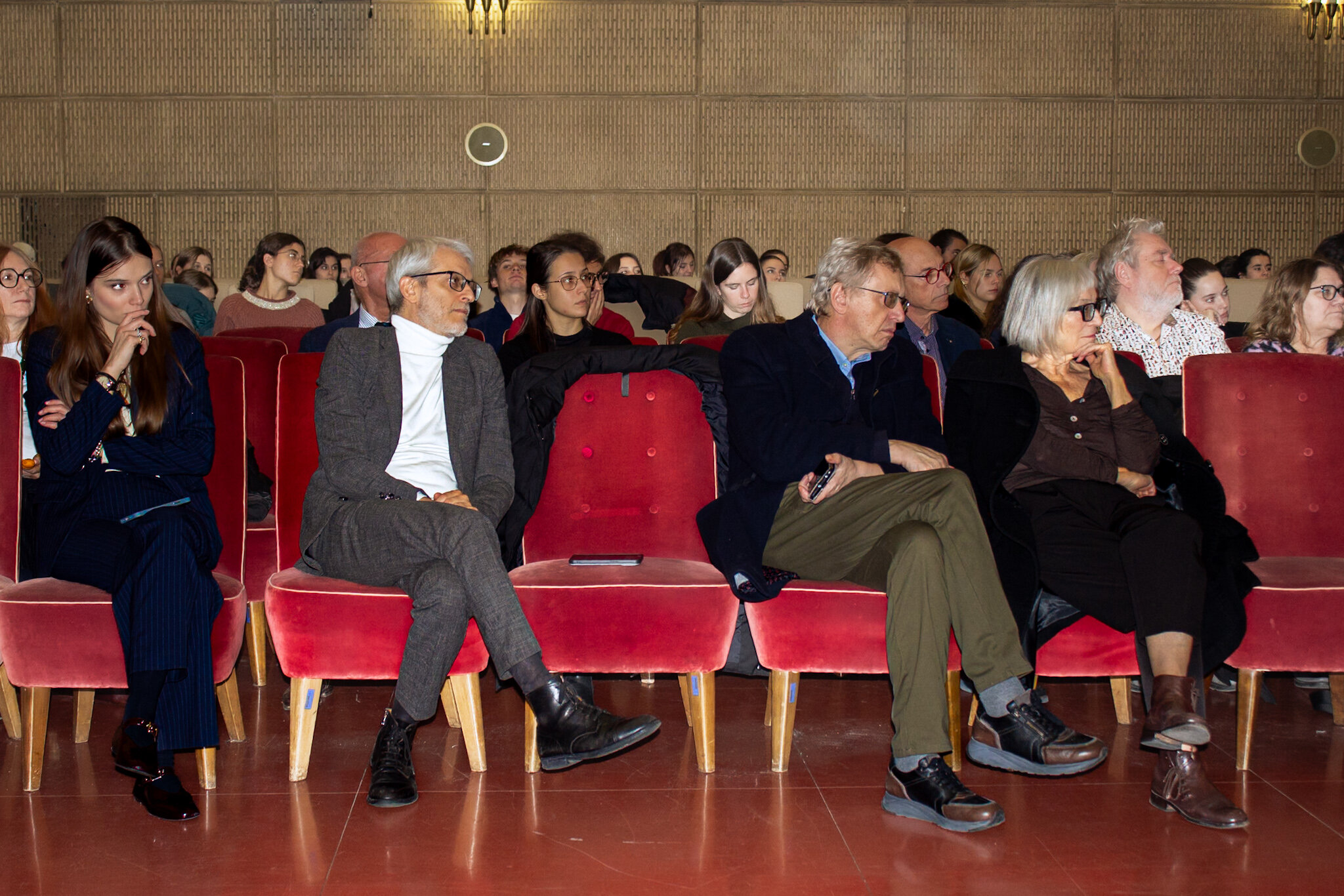
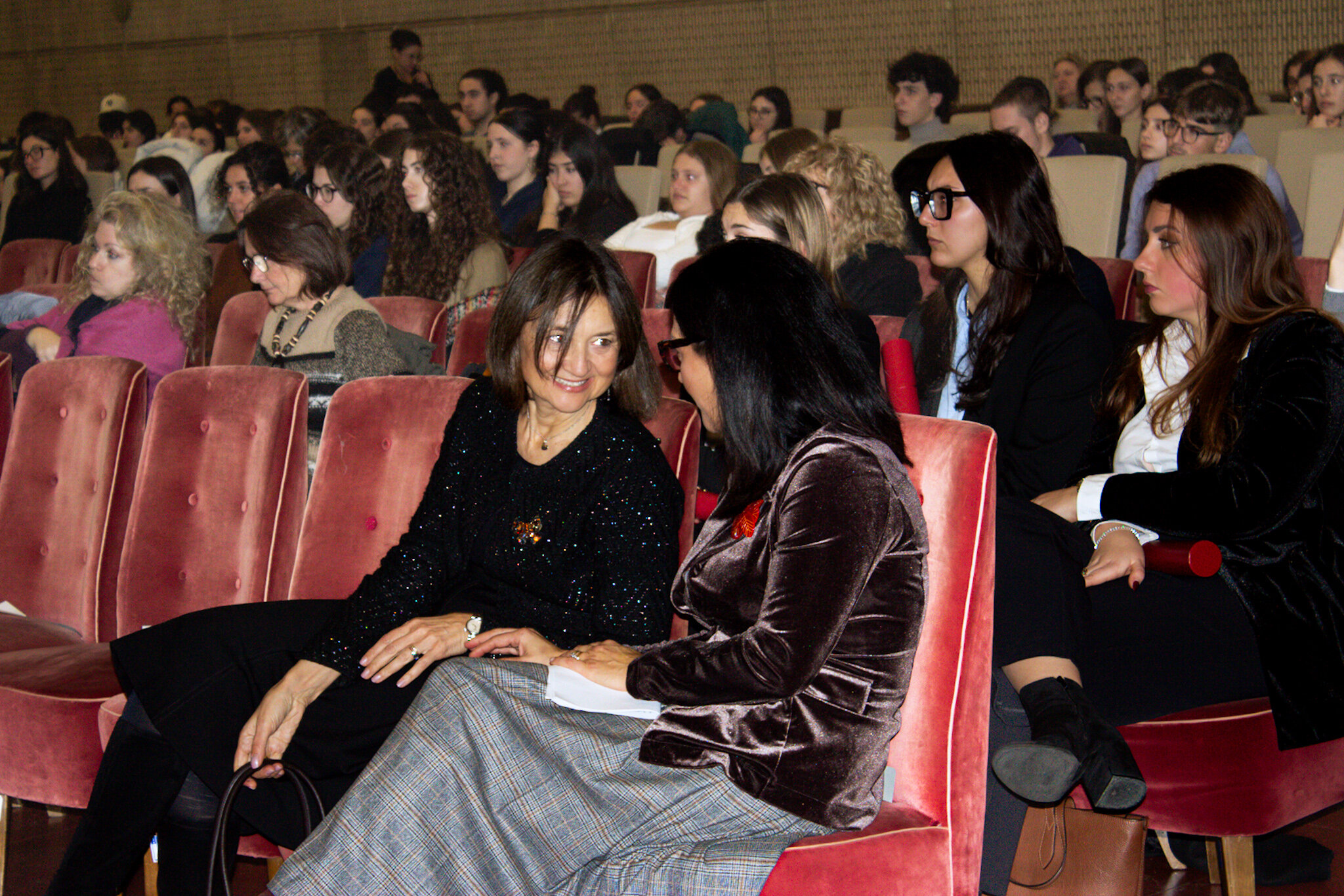
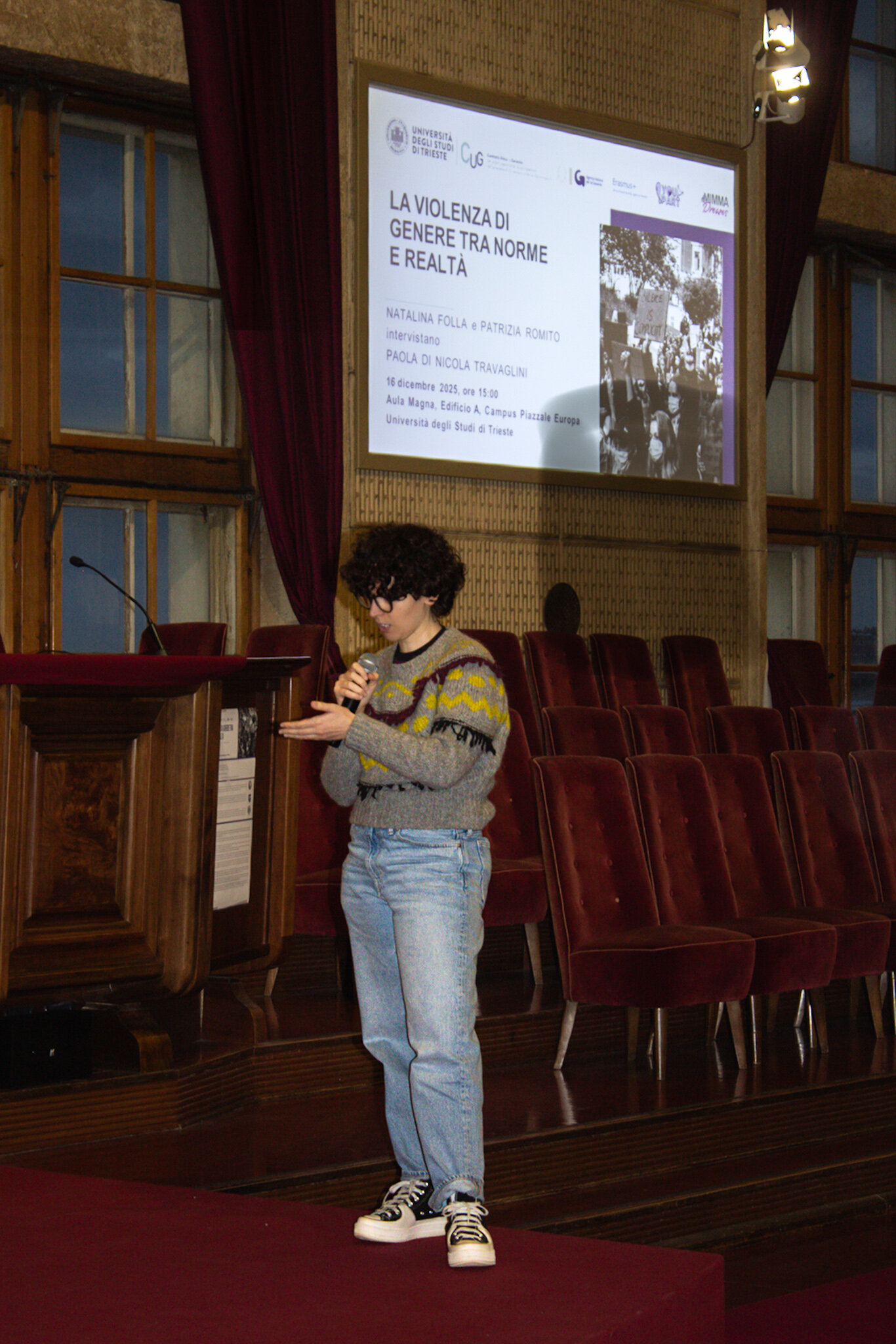
On Tuesday, December 16, 2025, the conference "Gender-based violence between norms and reality" was held at the Main Hall of the University of Trieste, promoted within the project Youth Participant in Advocacy of Gender Reform and Equality funded by the European Commission under the Erasmus Plus program with the support of the Italian Youth Agency, a moment of public discussion promoted by the Single Guarantee Committee of the University of Trieste on the eve of the entry into force of the new law on femicide. The initiative called on the community to reflect not only on the legal effects of the law, but also on the cultural and symbolic elements it aims to dismantle: freedom, control, possession, gender stereotypes, and secondary victimization.
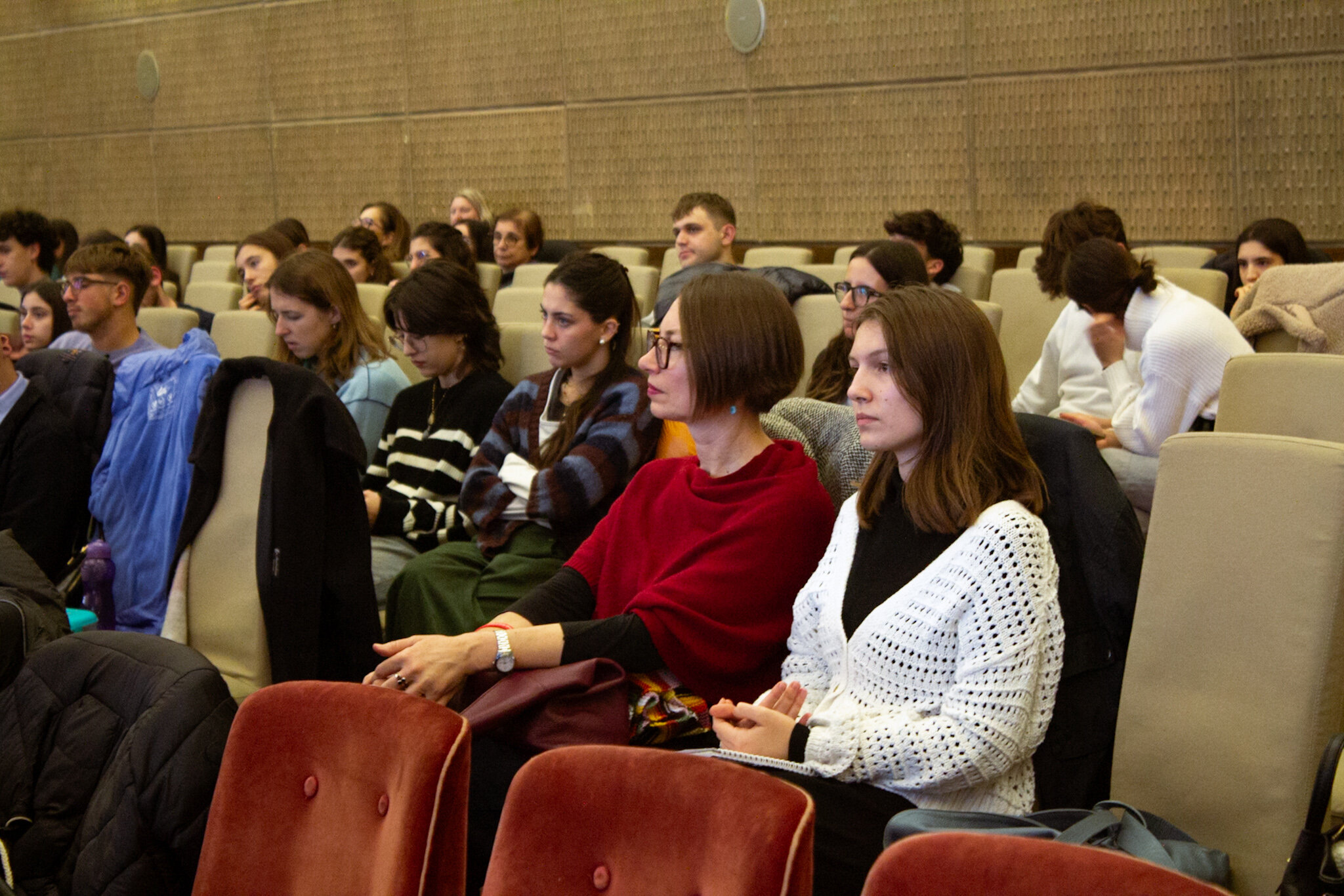
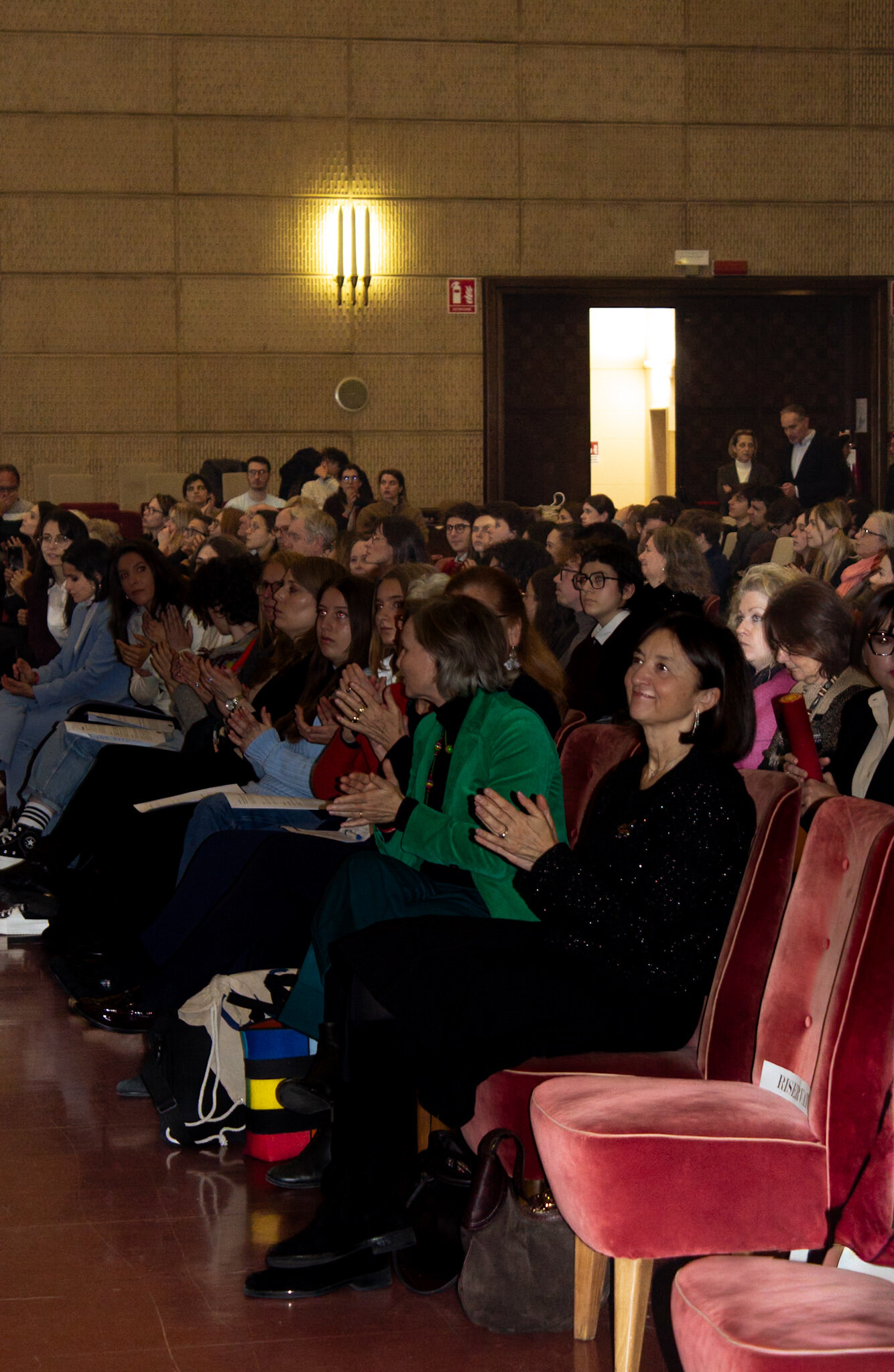
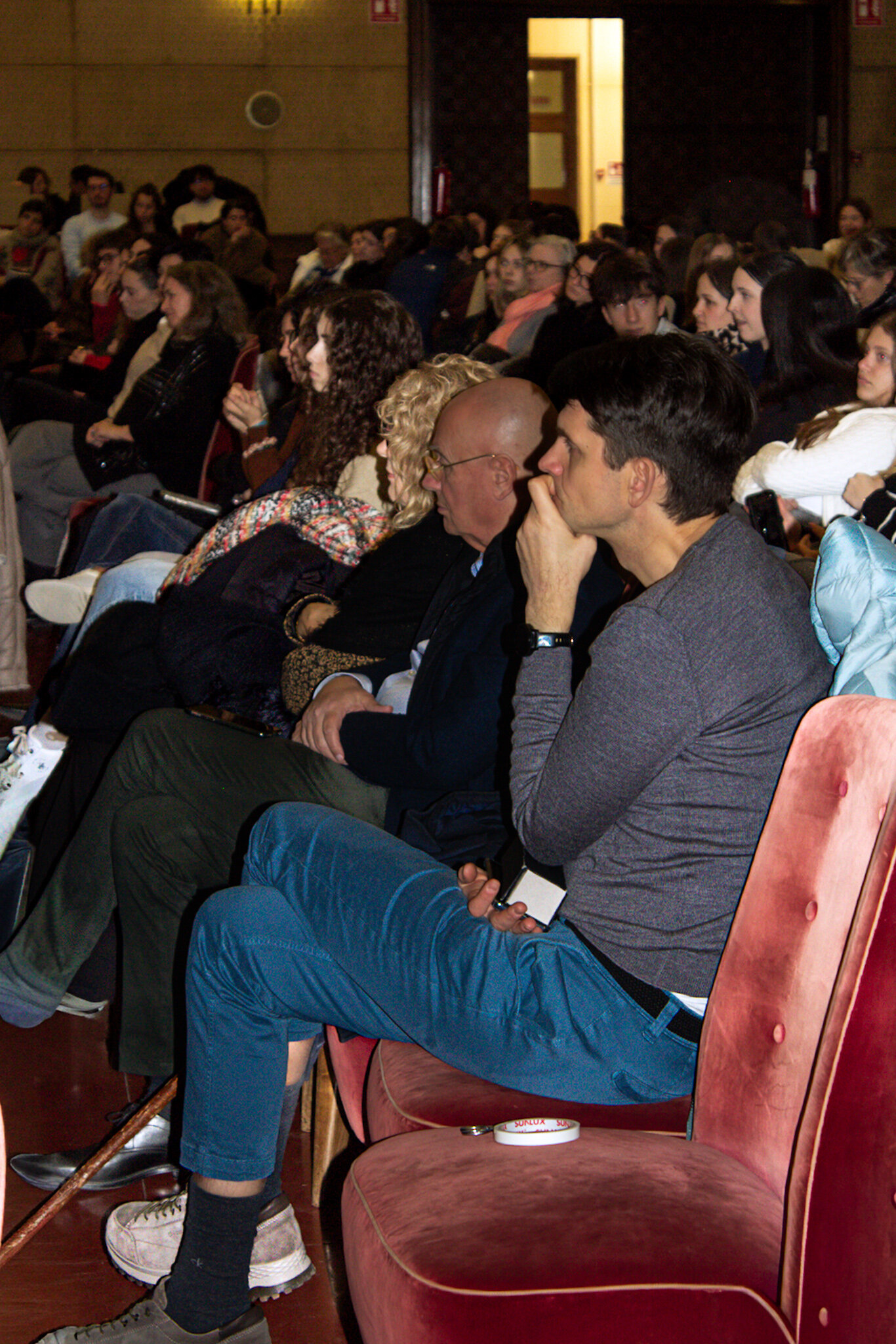
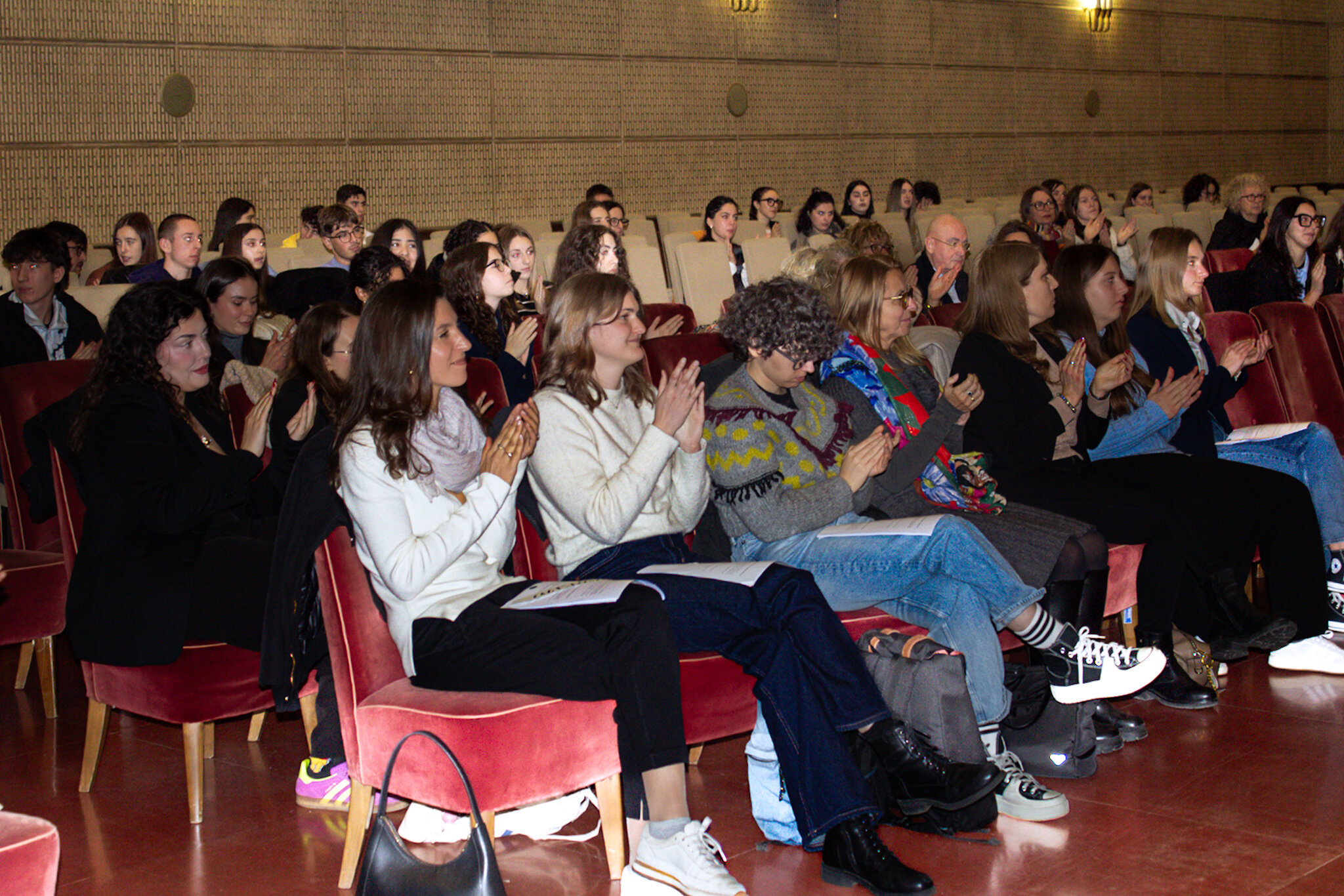
The event involved university and high school students, aiming to provide a space for critical reflection on the gap that still exists between the regulatory framework and the reality experienced by women. At the center of the debate was an essential question: what impact will this law have, not only on the law itself, but on the way the country recognizes, interprets, and addresses violence against women.
The event was opened by the institutional greetings from the Rector of the University of Trieste, Prof. Donata Vianelli, Prof. Maria Dolores Ferrara, President of the Single Guarantee Committee, and Morgan Baliviera, President of the Student Council. In her speech, the Rector drew attention to the University's commitment to gender balance and combating violence, emphasizing that this is not a formal or "on paper" commitment, but a concrete action involving the entire university community—female students, male students, and staff—including the ability to recognize and not remove the pain that accompanies violence.
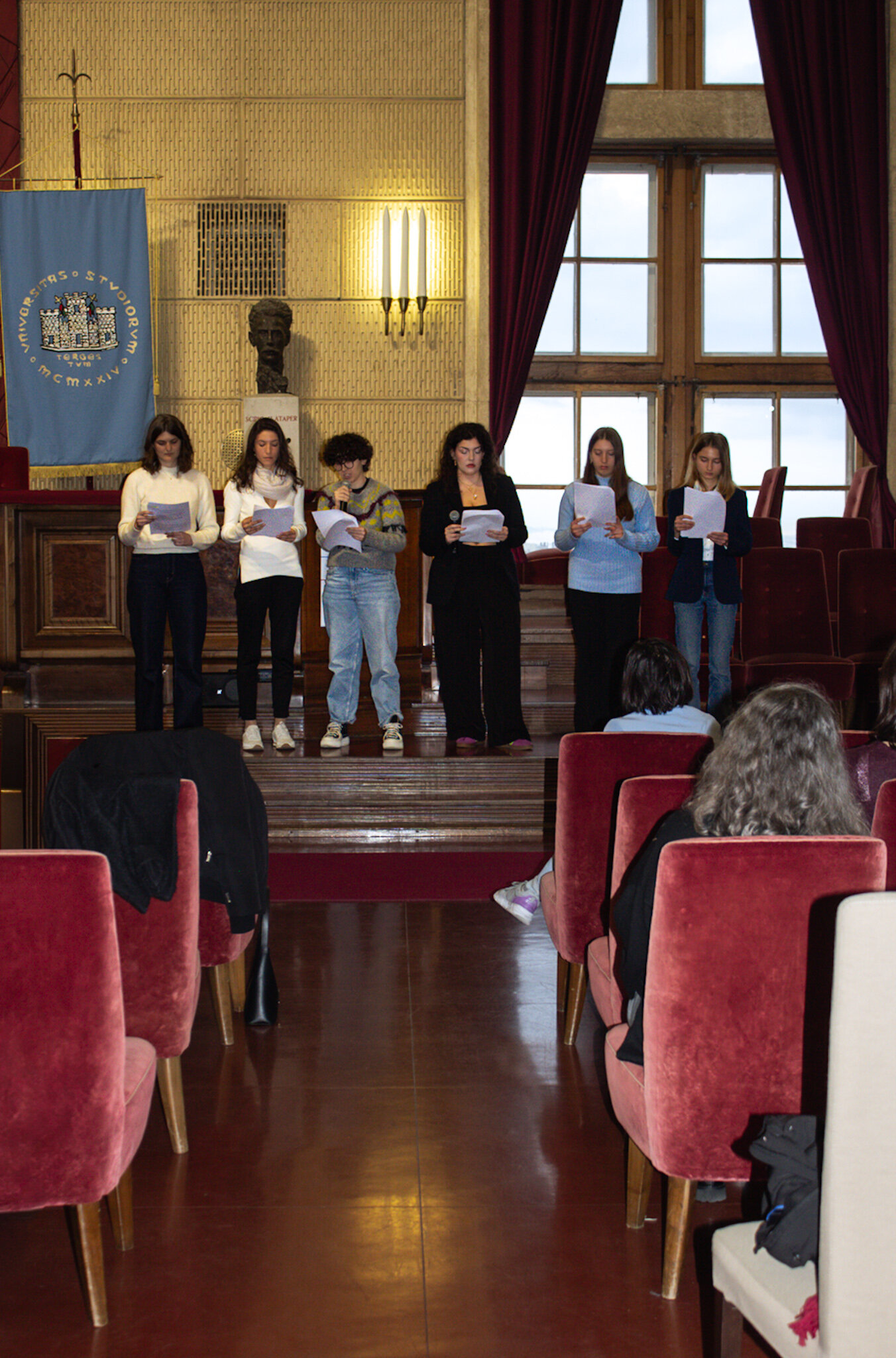
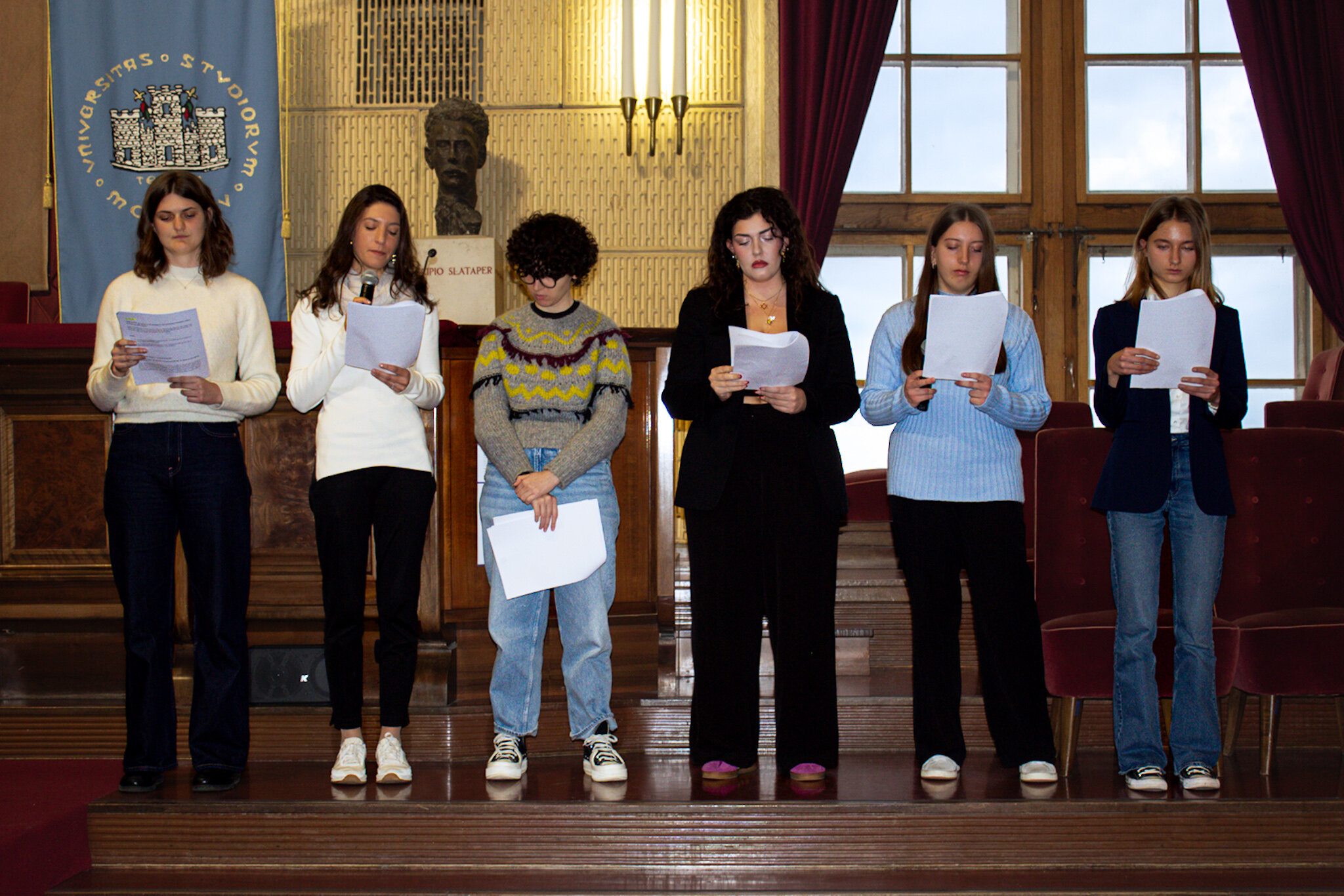
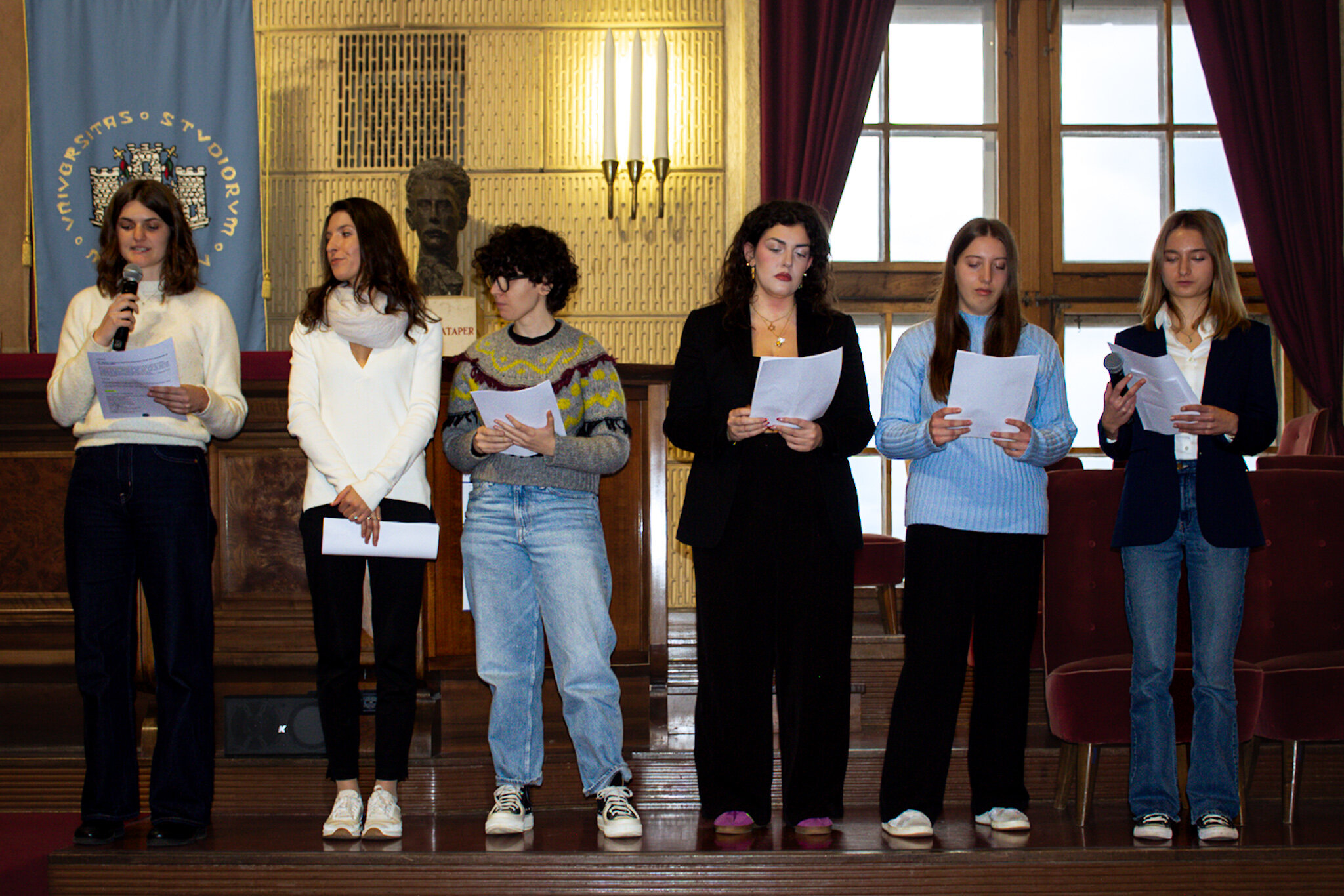
Before the start of the interview, the day was introduced by a moment of strong emotional intensity. The female students of the University of Trieste and the France Prešeren State High School with Slovenian as the language of instruction read excerpts from newspaper articles, court rulings, and testimonies of violence and rape. The readings brought the pain of real stories into the Aula Magna, giving voice to experiences often reduced to numbers or legal categories. A pain that was not sensationalized, but shared as an act of collective responsibility, capable of preparing the ground for a deeper understanding of the topic.
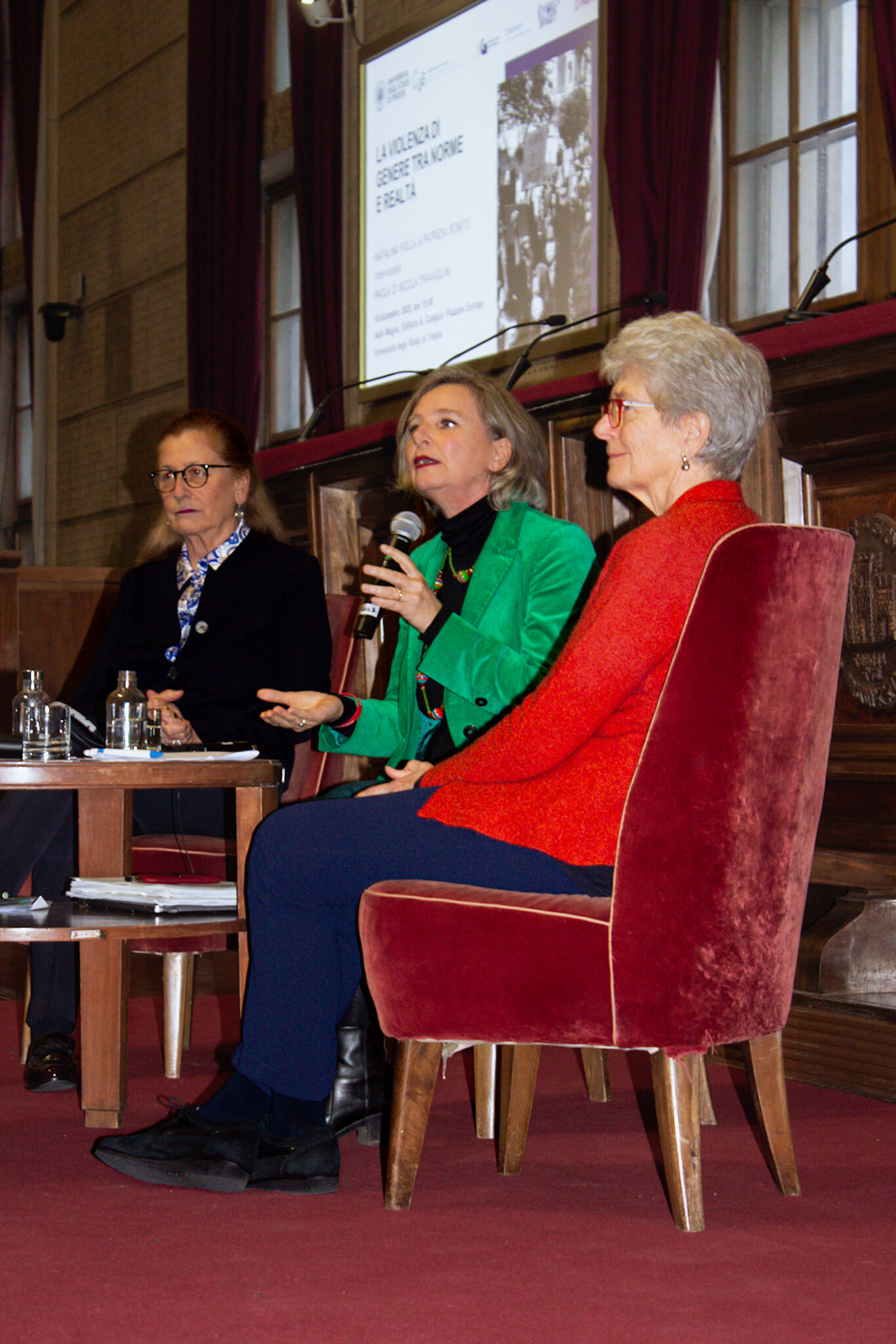
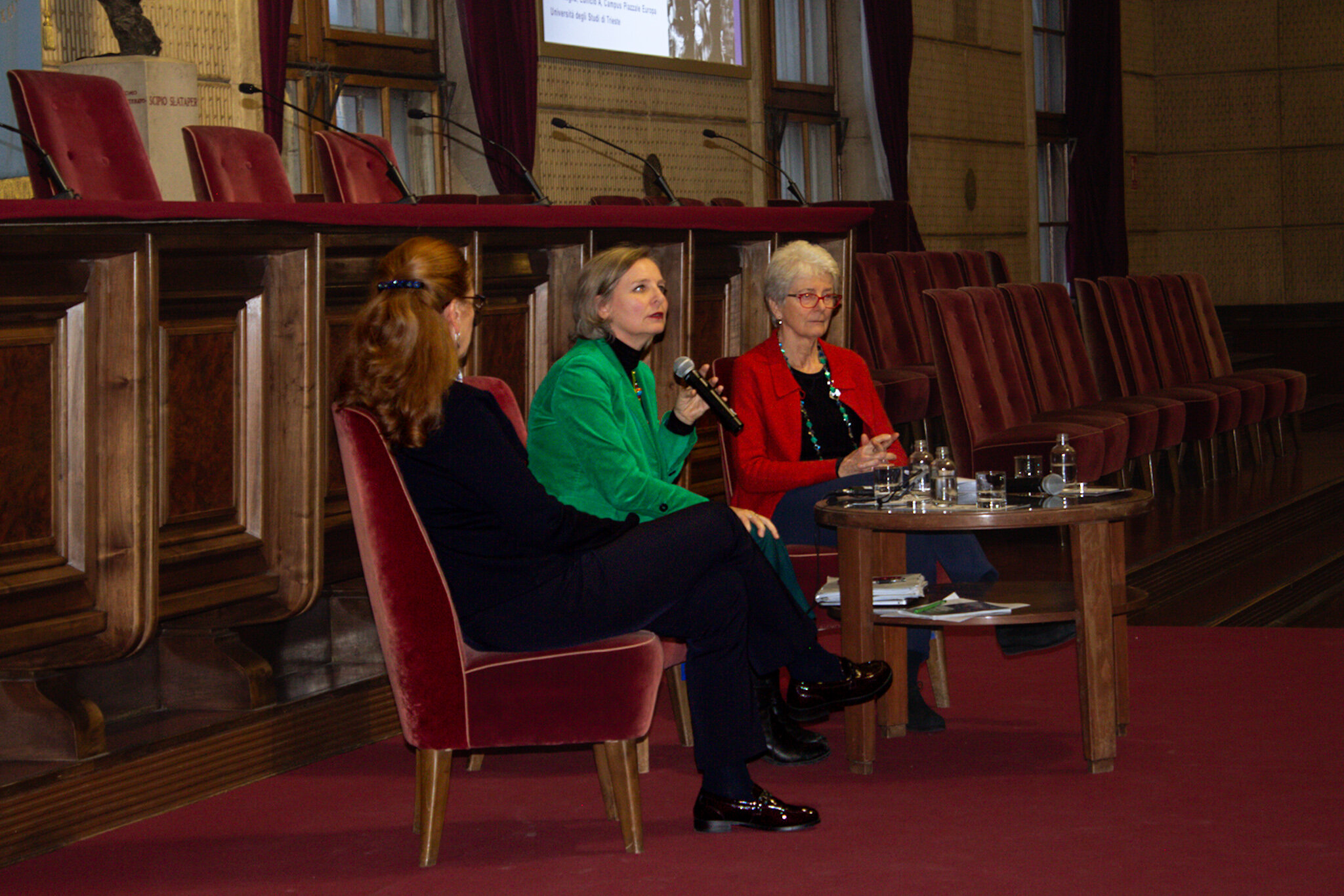
At 4:00 pm the interview with Judge Paola Di Nicola Travaglini, counselor of the Court of Cassation and legal advisor to the Senate Commission on Femicide, officially began, interviewed by University of Trieste professors Natalina Folla and Patrizia Romito. The dialogue developed as an intense exchange, able to combine legal analysis, professional experience, and attention to the human dimension of violence.
In her speech, the judge described the new law on femicide as “one of the most important laws our country has ever passed,” recalling that it was approved unanimously and represents a crucial step because “it gives a name to what until now had no name”: the killing of women because they are women. A step that concerns not only the law, but also the public recognition of a historical pain, often denied or minimized.
Paola Di Nicola Travaglini drew attention to the difficulty of recognizing violence in its less visible forms, identifying control disguised as protection as one of the first signs of violence already underway. She emphasized how this type of violence produces a deep and layered pain, which does not end with the violent act but continues over time, through fear, isolation, loss of trust, and the progressive erosion of personal freedom.
During the meeting, the judge intertwined her experience as a magistrate involved in proceedings for violence against women with that gained in combating organized crime, highlighting analogies in the mechanisms of power, intimidation, and silence. In both cases, she explained, the pain of the victims risks remaining invisible if institutions are not able to listen to and recognize it.
Ample space was given to the active participation and debate of female and male students, who addressed central issues such as the definition of violence against women, the role of gender stereotypes in judicial proceedings, and evidentiary difficulties. Particularly significant was the question of how to proceed with reporting. On this point, the judge stressed that reporting should never be a solitary path, but should take place through the support of Anti-Violence Centers, places where pain is welcomed, understood, and transformed into a path of protection, awareness, and safeguarding.
The magistrate also pointed out that the University of Trieste is the first university to have chosen to bring its community together to reflect on the meaning of the new law and its cultural impact, recognizing the university's central role in providing space for collective processing, without removals or simplifications.
In closing, Paola Di Nicola Travaglini recalled how gender-based violence continues to be treated very differently from other crimes, emphasizing that in cases of violence against women, questions and narratives that produce secondary victimization are still frequent, aggravating the pain of those who have already suffered violence.
The event, organized by Mimma Dreams in collaboration with the University of Trieste, with the participation of INPS – Regional Directorate Friuli Venezia Giulia and the Single Guarantee Committees of the Municipality of Trieste, OGS, IRCCS Burlo Garofolo, ASUGI, Area Science Park, and ARPA FVG, confirmed that combating gender-based violence requires integrated work between universities, institutions, and services, and that places of education can become spaces of awareness, listening, and collective responsibility.
Photo by Linda Cerne