.png "progetto senza titolo (33)")

“Recognize to Change: The Dynamics of Gender-Based Violence. The Second Meeting of the YouPart Project”
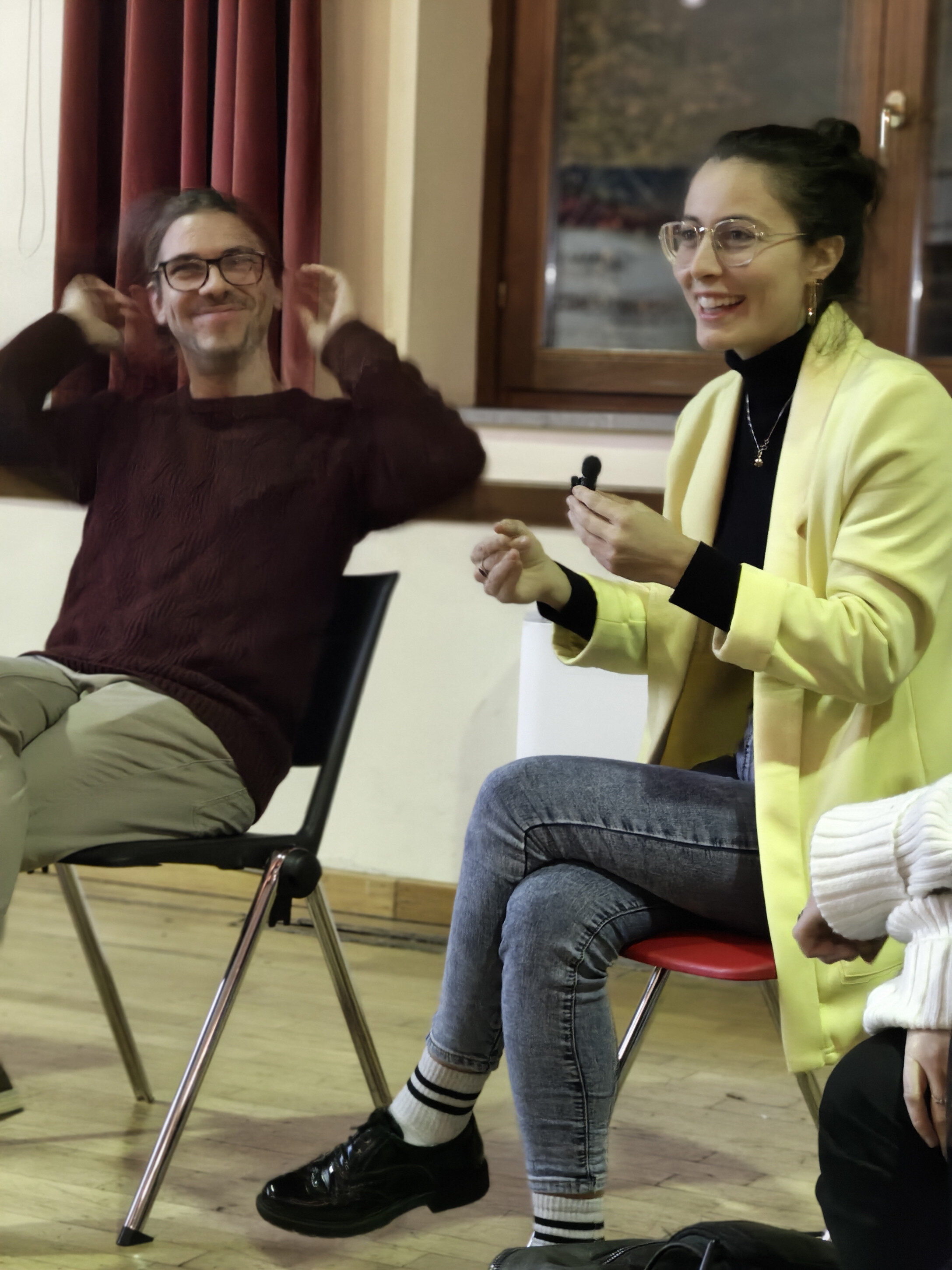
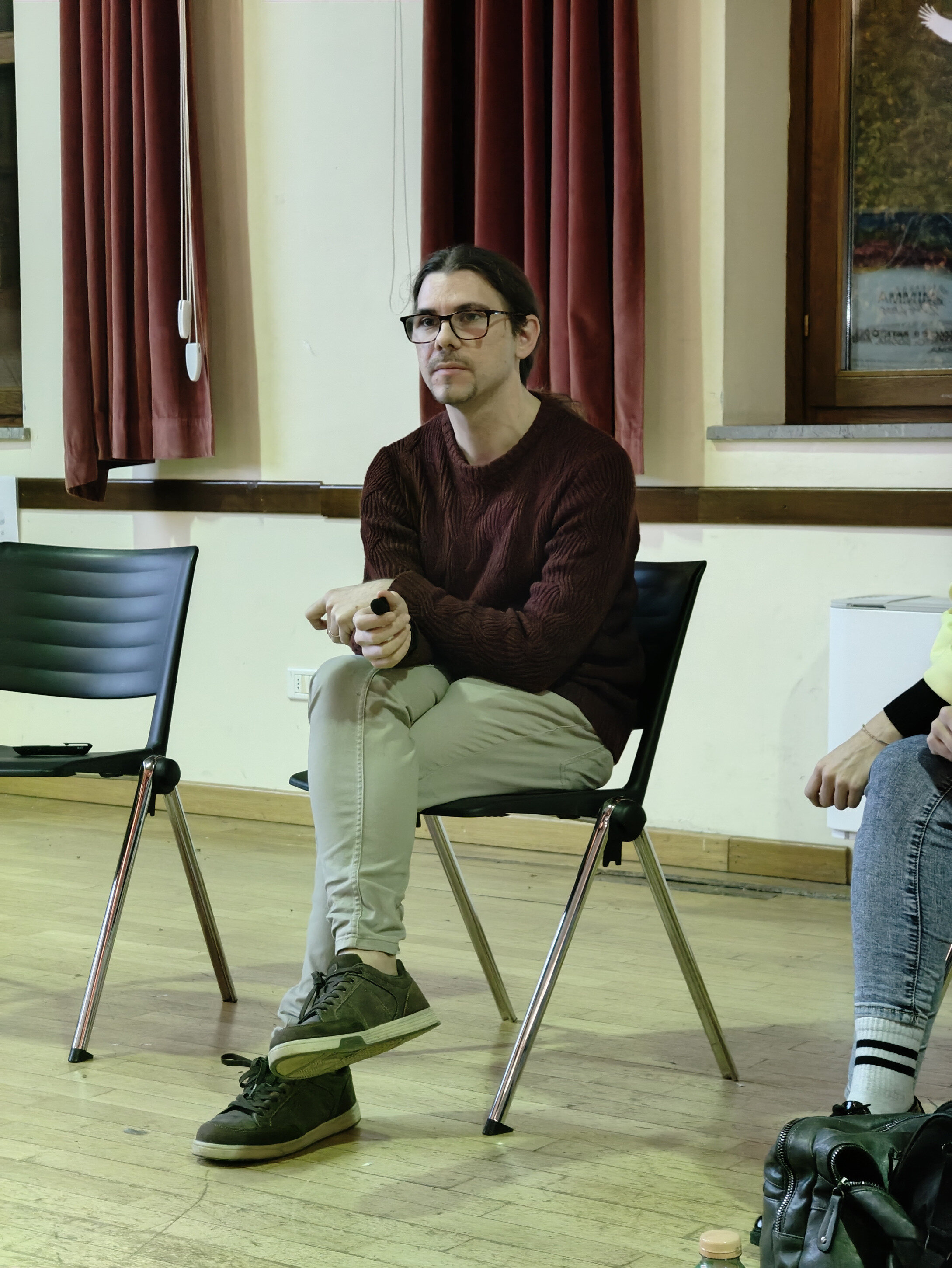
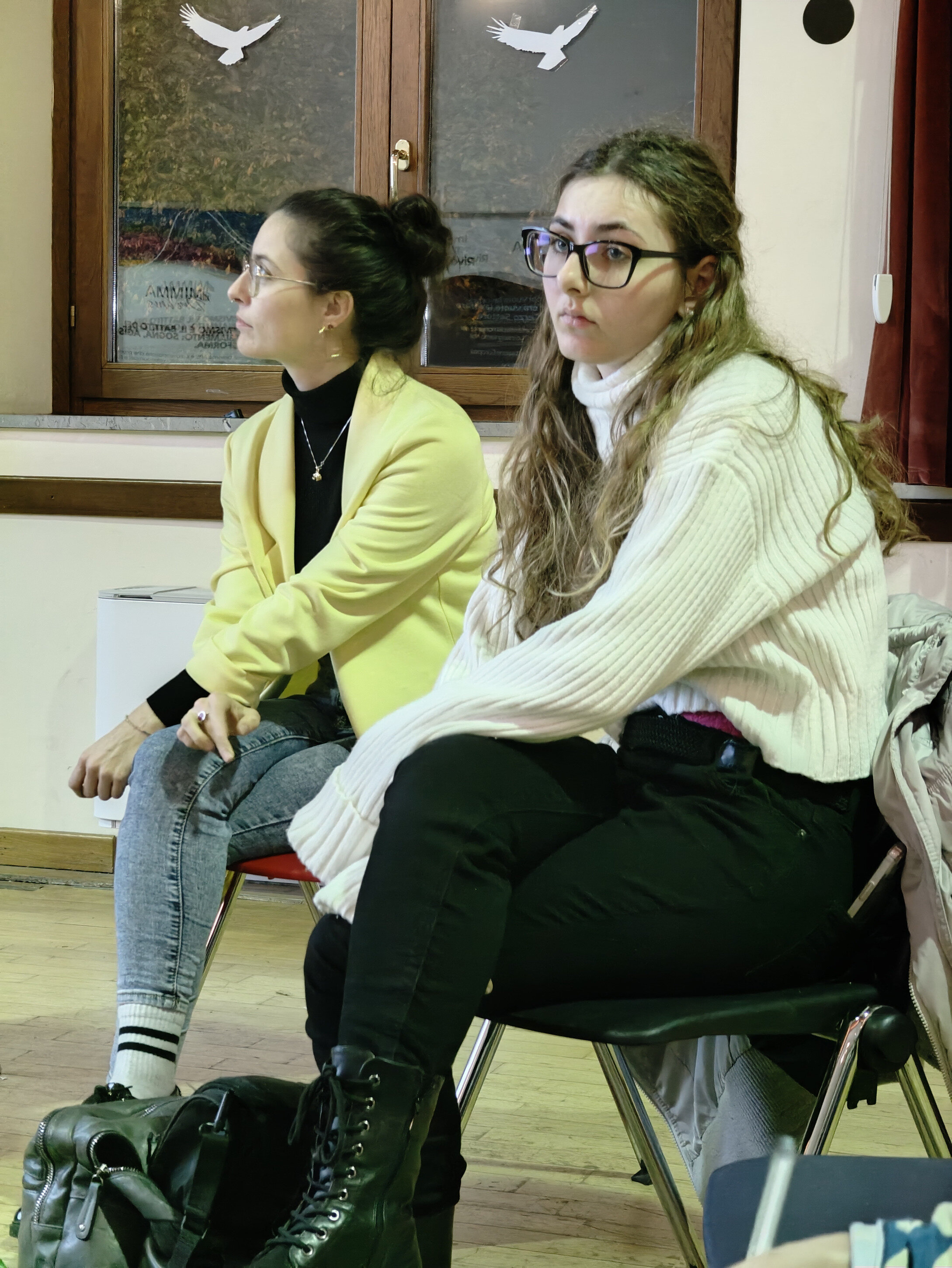
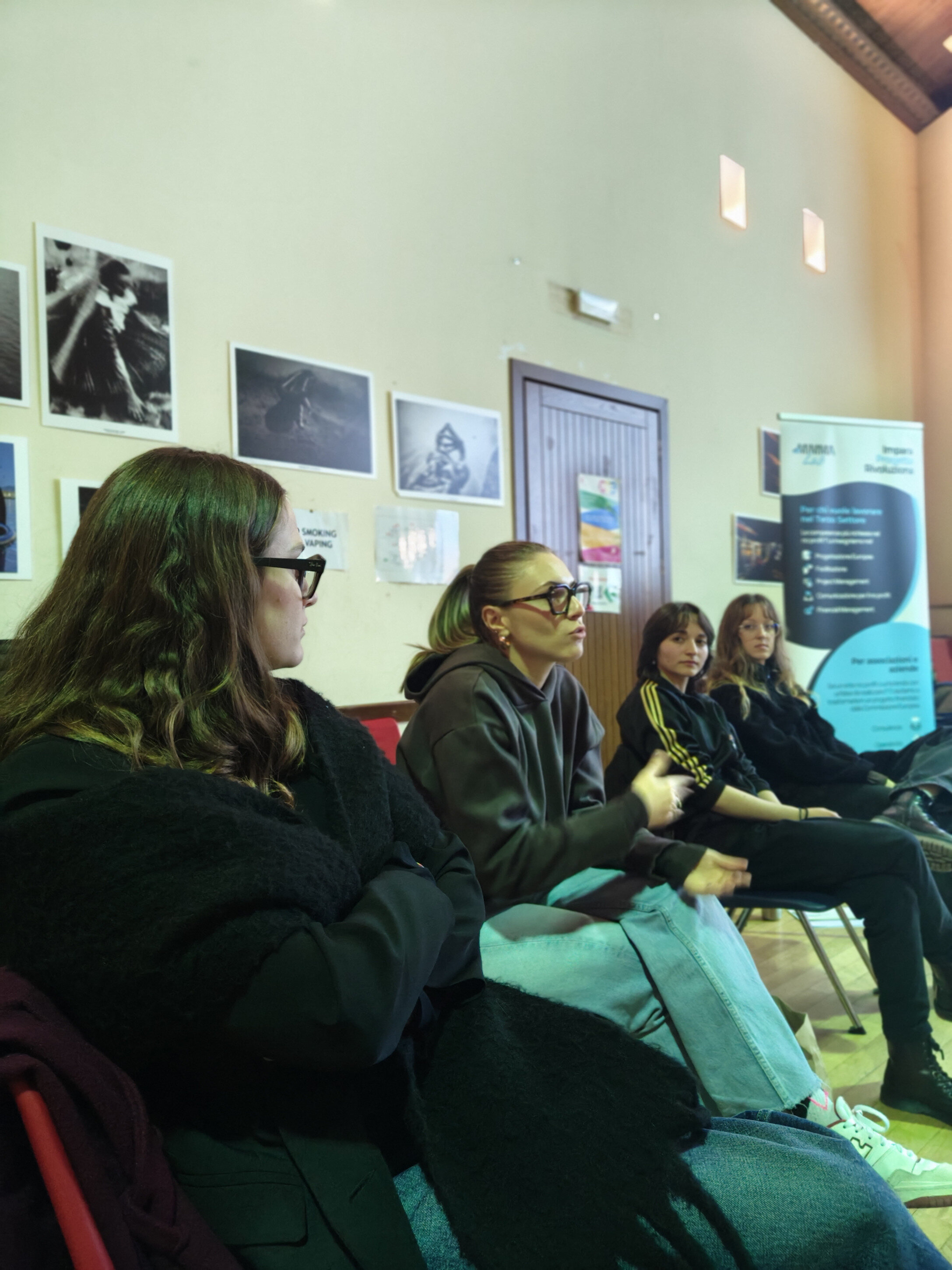
On November 25, 2025, within the setting of the Polo Giovani Toti in Trieste, the training meeting "Recognize to Change. The Dynamics of Gender-Based Violence" took place, promoted as part of the YouPart project. The seminar was led by Dr. Mirko Manzella, psychologist and sexologist, expert in male violence against women and volunteer at Interpares. The event, completely free of charge, gathered about twenty participants both online and in person, including students, local youth, and professionals interested in the topic.
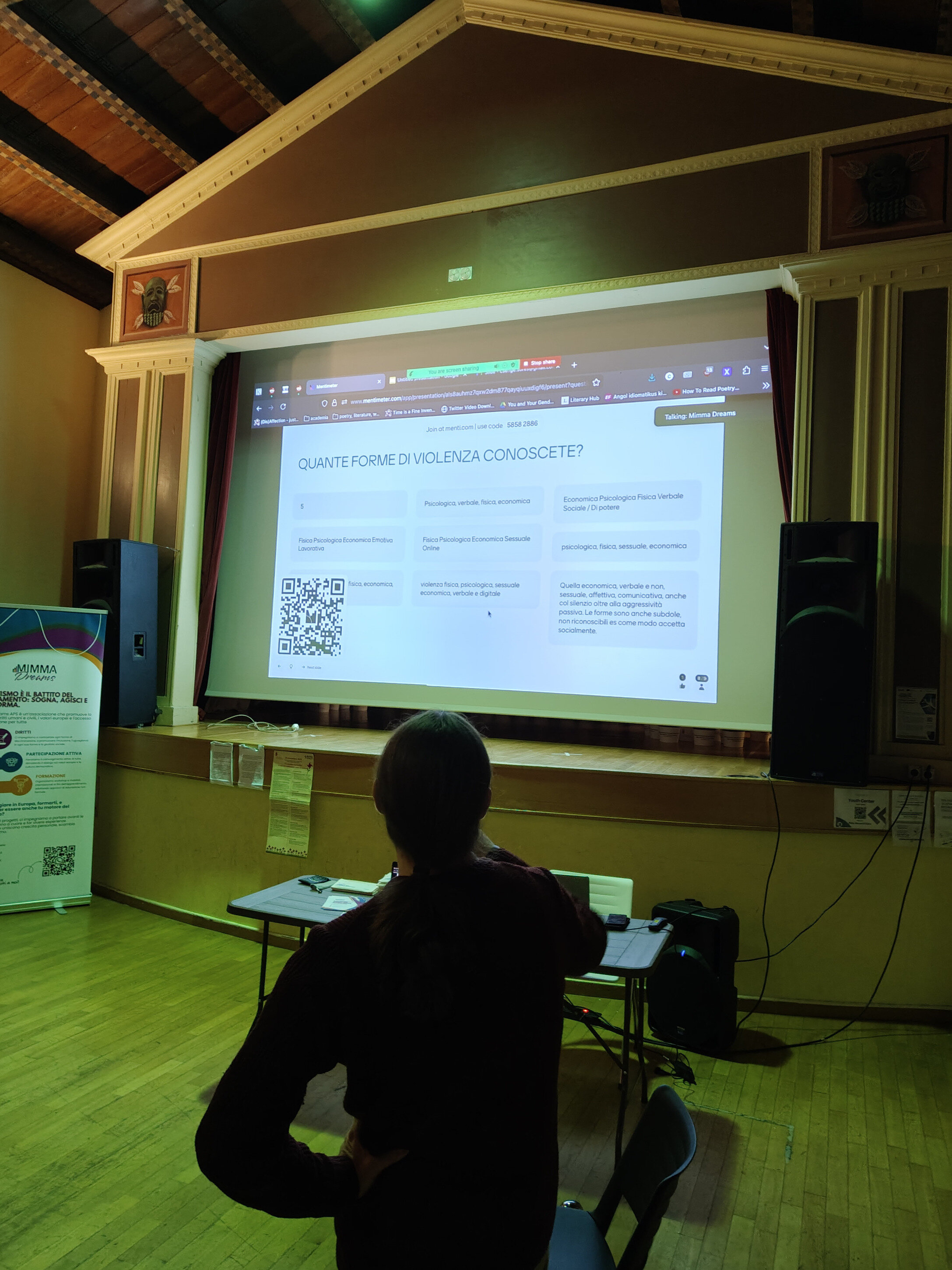
From the very first minutes, Dr. Manzella highlighted an essential truth: to understand gender-based violence, it is first necessary to recognize its cultural roots. Using the official definitions of the European Commission, the Council of Europe, and the Italian Senate, he clarified how the phenomenon does not concern only the most extreme episodes, but any form of physical, psychological, economic, sexual, or digital harm inflicted on a person because of their gender, identity, or gender expression.
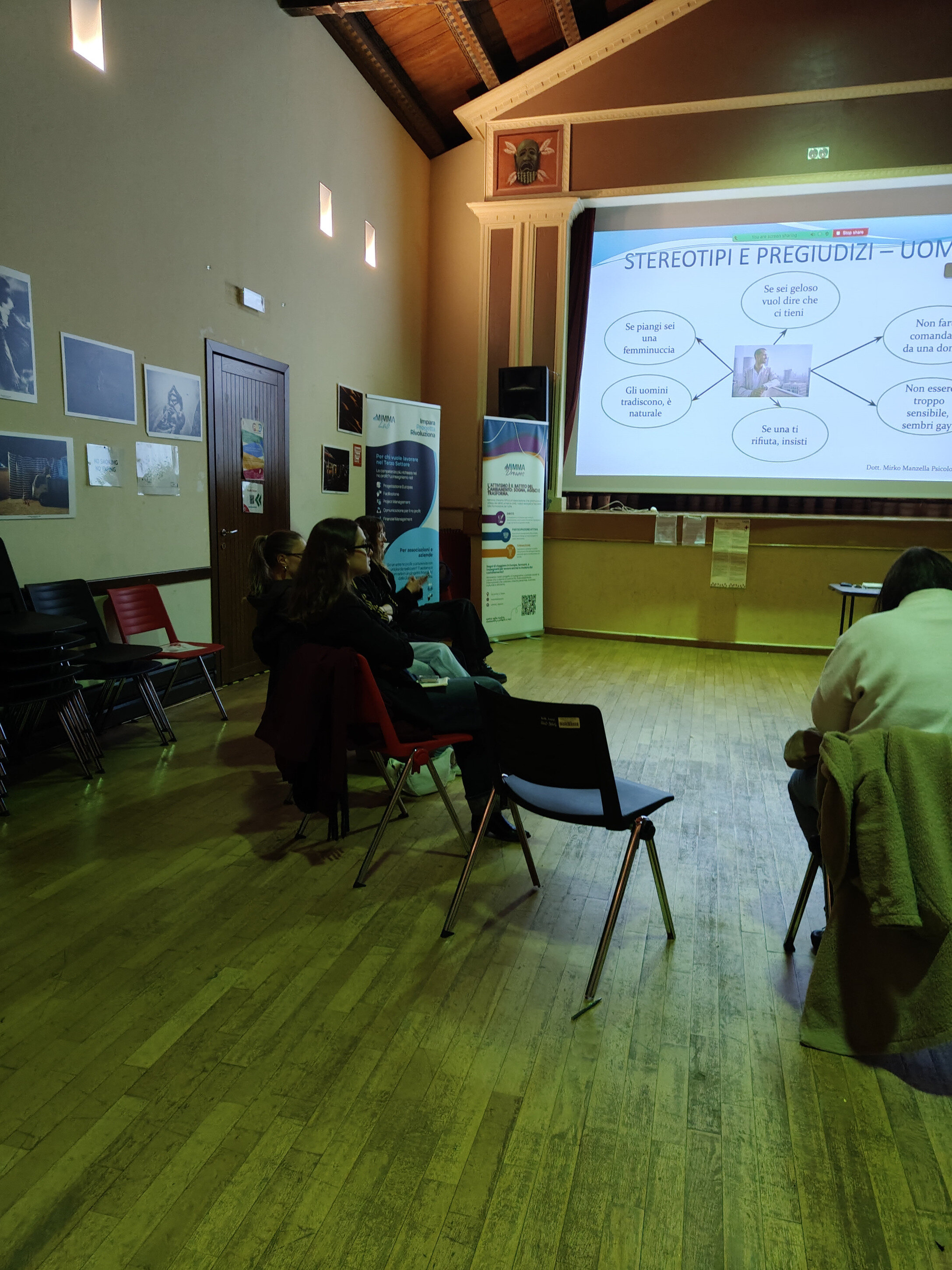
From here, a deep reflection began on the stereotypes that shape the idea of masculine and feminine from childhood. The phrases that "have always been heard": "If you cry, you're a little girl," "Don't let a woman boss you around," "Don't be too sensitive, you seem gay" are not just sayings, but patterns that build models of masculinity based on control, strength, and the inability to ask for help. In the same way, the messages directed at women "If you're strong, you're aggressive," "Don't be too independent," "If you're jealous, you're toxic" contribute to a culture that asks women to be compliant without ever being "too much."
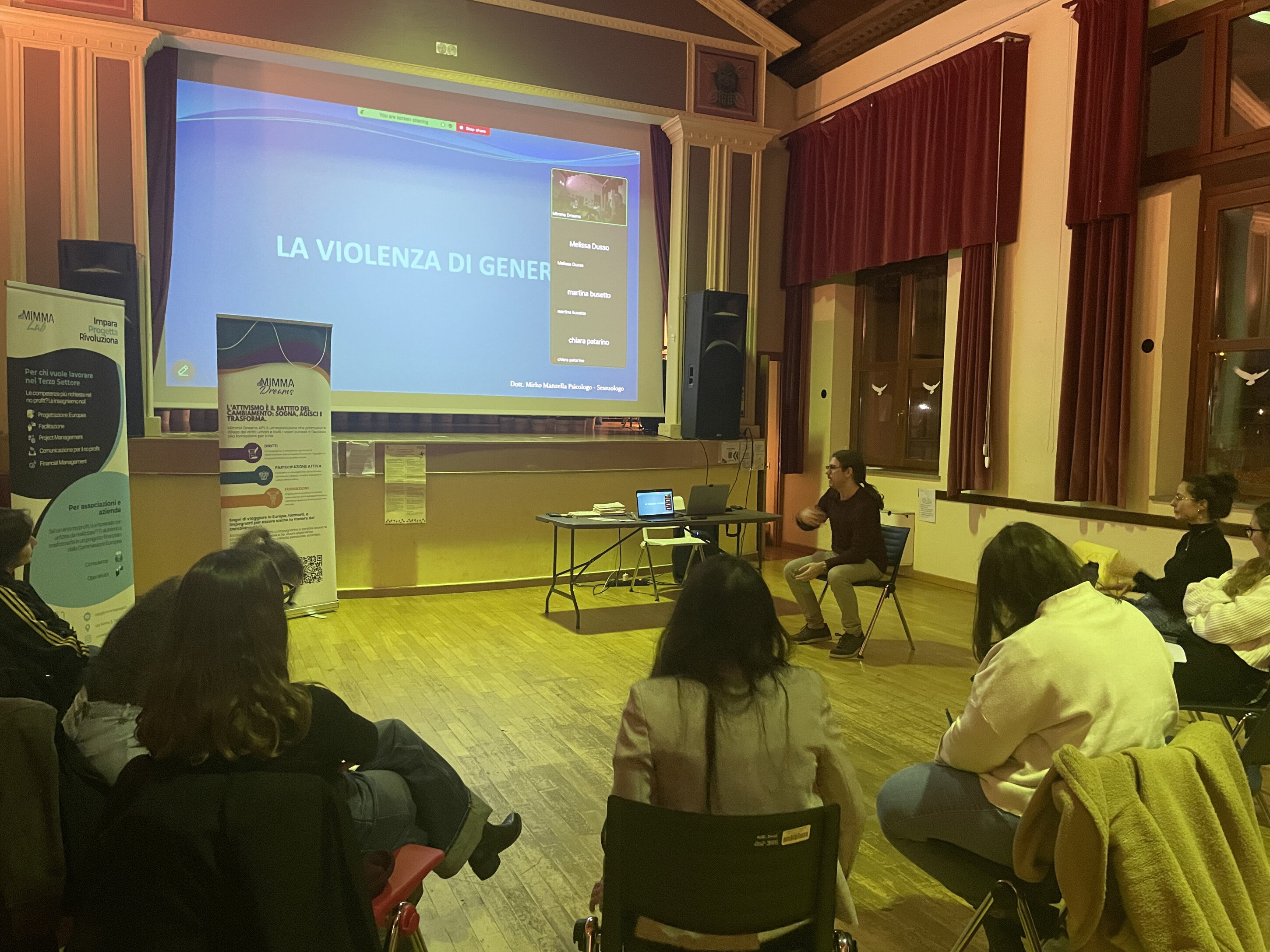
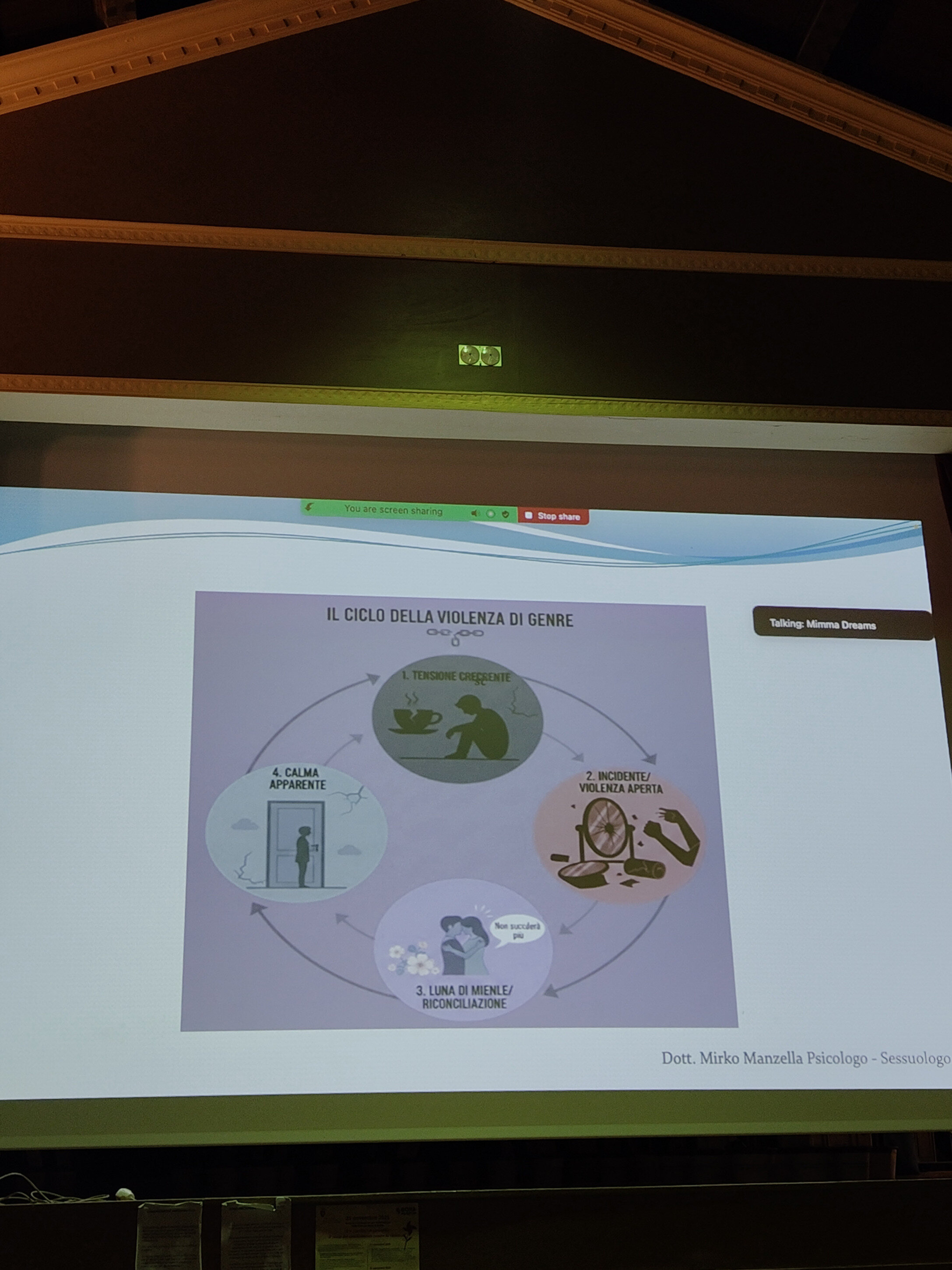
From this basis arises a phenomenon that manifests itself in many forms, often invisible. During the meeting, psychological violence was discussed, consisting of devaluation, gaslighting, isolation, and emotional blackmail, as well as physical violence, which can also begin with seemingly “minor” gestures, such as a wrist being gripped too tightly or blocking the way to a door. Economic, sexual, and digital violence were also explored, the latter today expressed through forced geolocation, revenge porn, and manipulation via messages. Dr. Manzella also drew attention to another often overlooked dimension: institutional and cultural violence, which occurs when a woman is not believed, is judged for how she dresses, or is forced to “prove” her version of events dozens of times.
To give concreteness to the phenomenon, the most recent data released by ISTAT in 2025 were cited: 31.9% of women between the ages of 16 and 75 have suffered at least one physical or sexual violence in their lifetime, equal to about 6.4 million women. Of these, 18.8% suffered physical violence and 23.4% sexual violence. Numbers that tell a reality that can no longer be considered a sporadic emergency, but a structural problem that concerns the entire society.
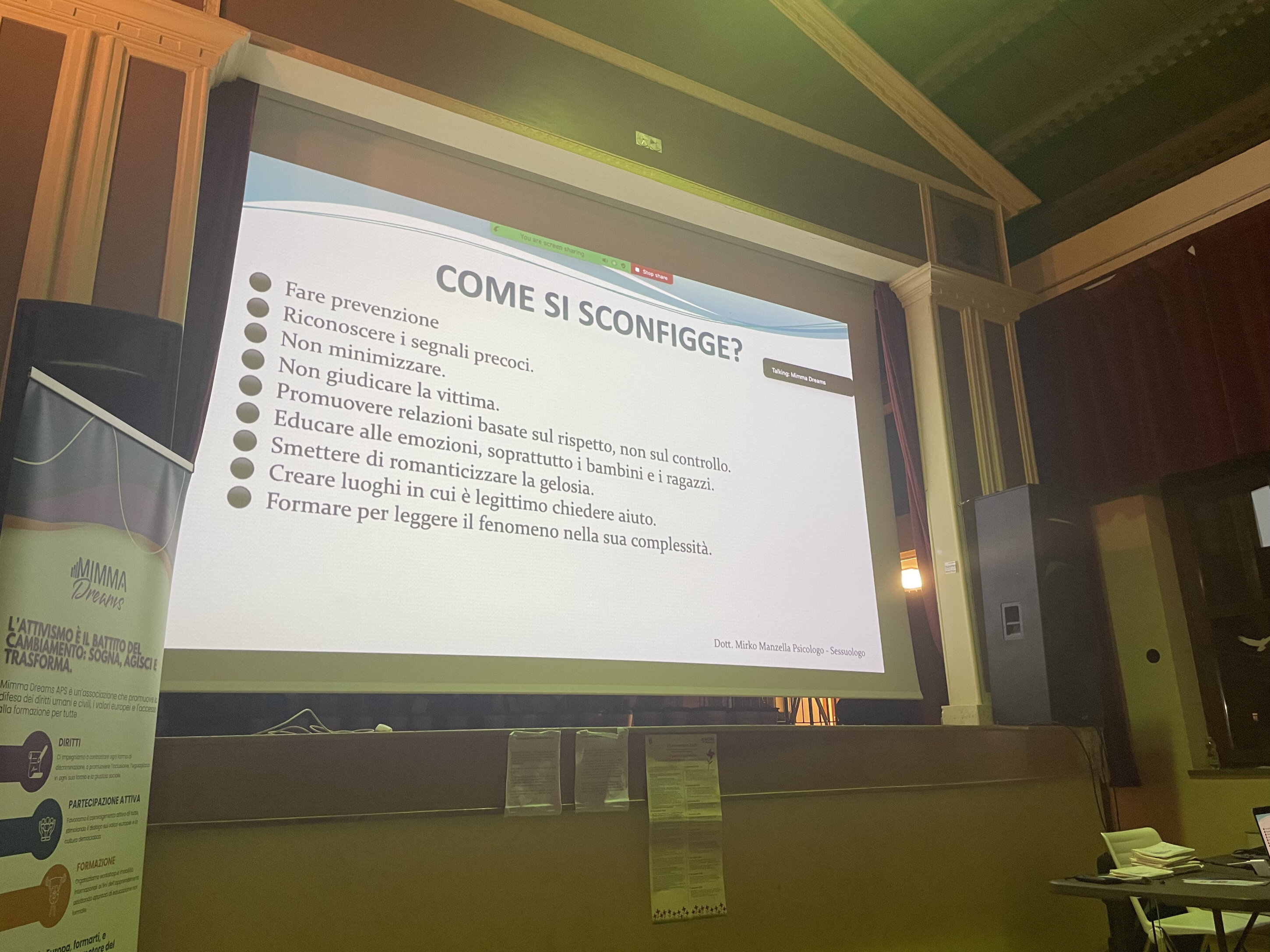
In conclusion, the seminar focused on what we can do, concretely, to combat violence: learning to recognize early warning signs, stopping minimizing, not judging those who suffer, educating about emotions, especially children and adolescents, and abandoning the romanticized idea of jealousy as proof of love. Dr. Manzella reminded that creating safe spaces where it is legitimate to ask for help is an essential step, as is promoting a complex and not simplified understanding of the phenomenon.
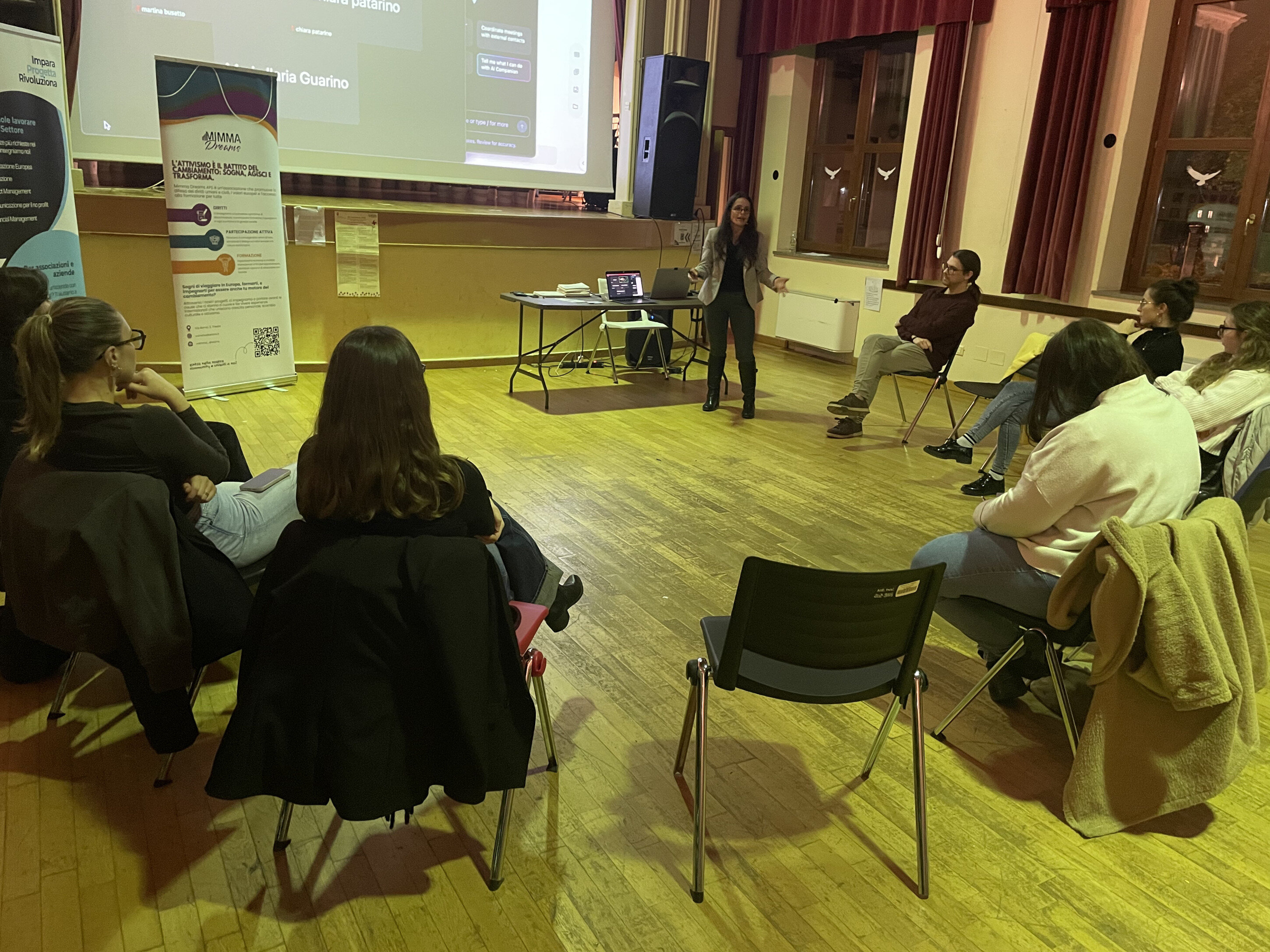
The concluding message came as a declaration of collective responsibility: “Gender-based violence is not a sudden phenomenon. It is the result of a culture that teaches some that love is possession and others that pain is normal. Our task is to break this narrative. To make visible what is unseen. To restore voice, body, rights, possibilities.” A clear invitation not to delegate, but to recognize the role that each and every one of us can play in change. The meeting on November 25 thus represents a fundamental piece of the path that YouPart is pursuing to strengthen youth participation and social awareness. Talking about gender-based violence means opening a space for listening, education, and shared responsibility. And, as this evening showed, it especially means creating communities that know how to recognize, prevent, and transform.